
If a drain blocks in Scotland, the first question is not "who can unblock it?" but "whose pipe is it?". The answer decides whether you pay, whether Scottish Water comes out, or whether the problem belongs to a landlord, a neighbour or the council. English advice does not help here, because Scotland's rules are different. This guide sets out the dividing lines in plain terms, with the sources, so you can work out who is responsible before you ring anyone.
The boundary rule: where your drain ends and Scottish Water's sewer begins
Scottish Water's guide to drains and sewers puts it simply: in general, from the point a drain leaves the curtilage of your property, or joins drains coming from within the curtilage of another property, it becomes a public sewer. The curtilage is usually the land around a building that belongs to its owner, so for most houses the dividing line is the property boundary. Citizens Advice Scotland says the same thing from the householder's side: homeowners and landlords are responsible for household waste pipes up to where they connect with the public sewer, and that connection is normally at the boundary.
That gives you a quick test. A pipe that carries waste from your home only, and sits on your land, is yours. Once the pipe has left your land, or has met a pipe from a neighbour's land, it is generally a public sewer and Scottish Water's responsibility.
Drain, private sewer and public sewer: what the 1968 Act actually says
The words matter, because Scottish law uses them precisely. Section 59 of the Sewerage (Scotland) Act 1968 defines a drain as a pipe within the curtilage of premises used solely for draining one building, or buildings and yards within the same curtilage. A sewer is defined as everything else used for draining buildings, so a pipe that serves more than one curtilage is a sewer rather than a drain. A public sewer is a sewer vested in Scottish Water, and a private sewer is any sewer that is not a public sewer.
The useful point is that a shared pipe is not automatically public. Scottish Water's guide notes that some curtilages contain several properties, for example a block of flats, and the common drainage inside that curtilage stays private. So "it is shared" and "Scottish Water must deal with it" are two different statements. If you cannot tell which applies to your pipe, Scottish Water can tell you what it treats as a public sewer at your address, and a camera survey can show where the pipe runs and where it joins another.
Who is responsible for what
| Where the blockage is | Who is responsible | What to do |
|---|---|---|
| Waste pipe or drain inside your boundary, serving only your home | You, as owner (or your landlord if you rent) | Arrange clearing yourself, or tell your landlord |
| Common drainage inside one curtilage, such as a block of flats | The owners jointly | Agree the repair between the owners |
| Sewer beyond your boundary, or where your drain joins another property's | Scottish Water, generally | Report it on 0800 0778 778 |
| Road gully or drain in the street | Your local council | Report it through the council's website |
| Rented home, any private drain | The landlord, who must keep drains in working order | Report it in writing and keep a copy |
| Rain running off your roof or paved ground into a drain | Scottish Water drains the run-off, but the pipework and guttering inside your boundary is yours | Check your own gutters and gullies first |
If you own the home
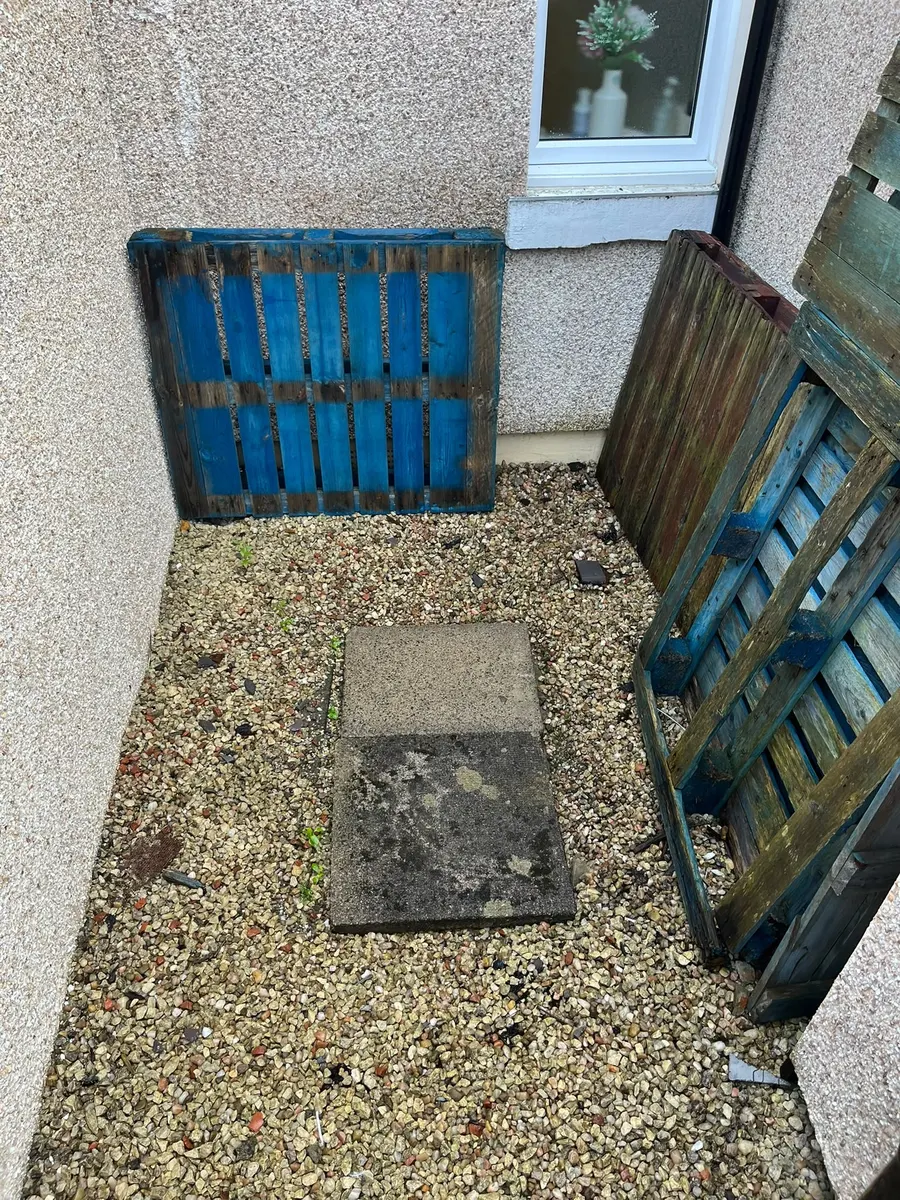
For a typical house, everything from the toilet, sink and bath out to the boundary is yours, including the drain under the garden or driveway and any inspection chamber on your land. Scottish Water's advice for a problem with private pipework is to contact a licensed plumber, or your landlord or council if the property is rented. For a blockage in the underground run, a drainage engineer brings the machine, jetter and camera that buried drains need.
Pay attention to how widespread the problem is. One slow sink points at that waste pipe. Every fitting backing up points at the drain outside. If next door has the same trouble, the blockage may be further down, in a shared pipe or the public sewer. Our drain unblocking page walks through the checks to do before an engineer arrives. If you think the public sewer is involved, see what Scottish Water will and will not do when you ring.
If you share a drain with neighbours
Shared drains are where most arguments start. Citizens Advice Scotland says that where properties such as flats share pipes, the owners are jointly responsible for repairs and maintenance. The same pipe can also be a public sewer if it has left your curtilage, in which case the cost is not yours at all. Before anyone pays for work, find out which of the two it is. If you are told the pipe is "shared", ask where it crosses a boundary, because that is the point that decides it.
Two practical tips. Photograph the chamber or the water level when the problem starts, and get a written note from whoever clears it saying where the blockage was. If a camera survey was done, keep the footage. A clear record of the blockage's location settles most disputes between neighbours quickly.
If you rent
A tenant does not normally arrange or pay to clear an underground drain. Citizens Advice Scotland advises tenants to report repairs to the landlord, and private landlords in Scotland must keep drains in proper working order under the Repairing Standard. Report the blockage in writing, say when it started and keep a copy. If the blockage was caused by misuse, for example wipes or cooking fat, a landlord may argue it is not a repair issue, which is a good reason to keep a record showing what the engineer found.
If you rent from the council, the same principle applies: report it to the council as your landlord.
Street drains, gullies and sewage flooding
Local authorities are responsible for the drainage of local roads, so a blocked road gully or water pooling on the street is reported to your council. If sewage is coming up inside or outside your home from the public system, Scottish Water asks you to phone its customer helpline on 0800 0778 778, which it says is free and always answered. Scottish Water also has a public drainage duty for rainwater run-off from roofs and paved ground within the property boundary, though the private pipework and guttering within the boundary remain the owner's.
Your own drain?
Get it cleared and checked
If the blockage is inside your boundary, Brian clears it and can put a camera down the run to show where it sits.
Request a quoteCall 07935 496833Why drains block, and why it matters who pays
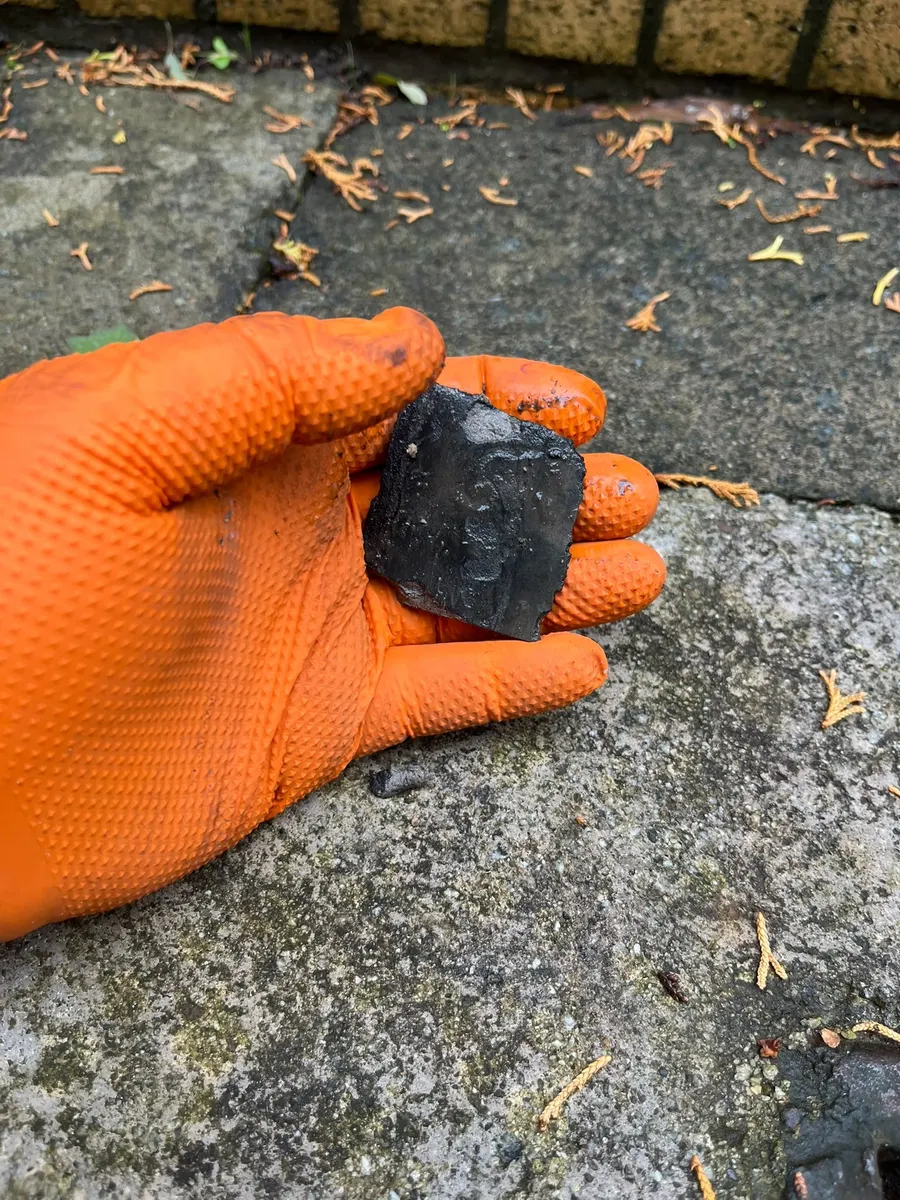
Scottish Water says there are over 36,000 blocked drains and sewers across Scotland every year, and that around 80% of them are caused by inappropriate items going down the toilet or by fat, oil and grease going down the sink. The pipe from a house to the sewer is usually only about 4 inches wide, built to carry used water from sinks, showers and baths and pee, poo and toilet paper from the toilet. Anything else, including wipes labelled as flushable, can start a blockage.
That has a practical consequence for the question of who pays. A blockage in a public sewer is Scottish Water's to clear, but a blockage in your own drain caused by what went down it is your cost. If a drain keeps blocking in the same place, it is worth finding out why, because the cause may be a defect rather than habits. Our guide to drain unblocking costs in Stirling and Falkirk shows what each method usually costs and how VAT and call-out fees change the bill.
When the same drain keeps blocking
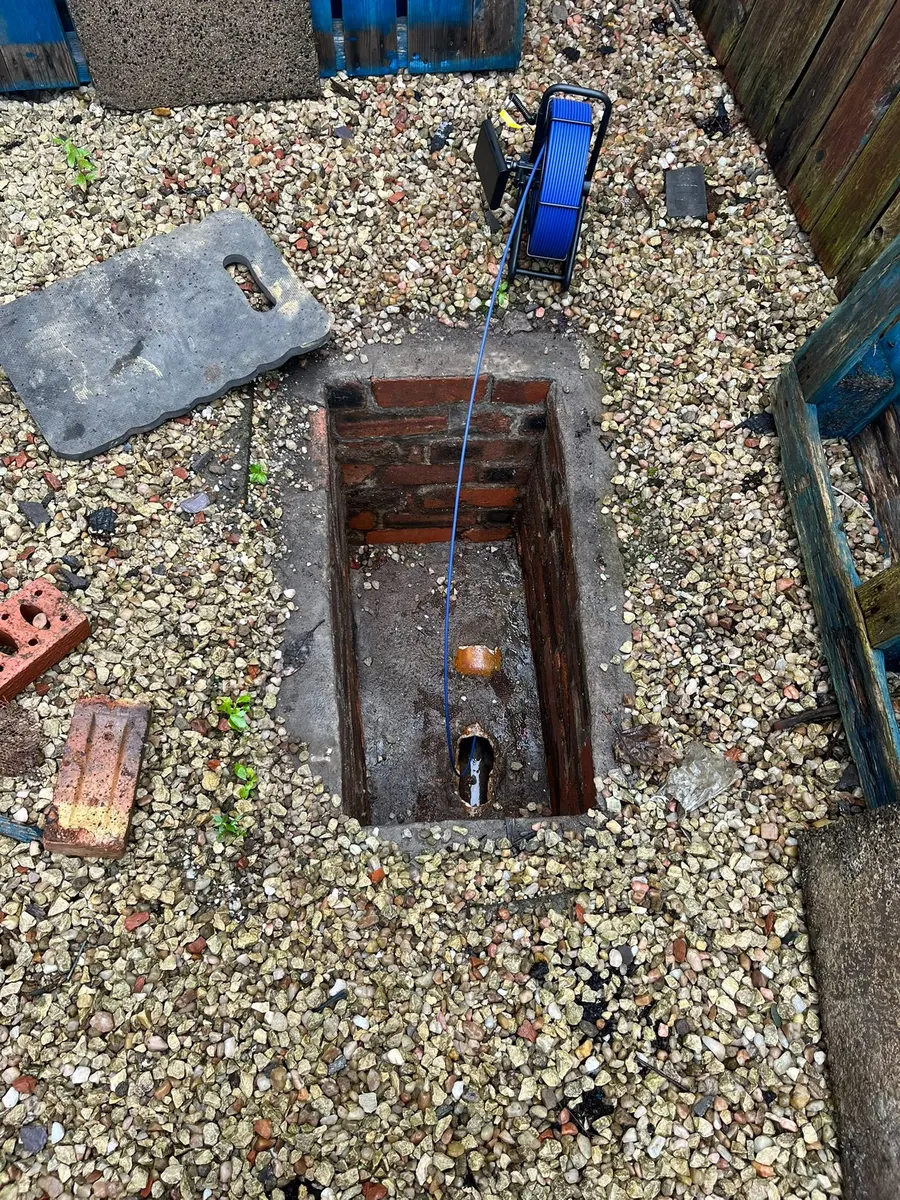
A drain that blocks again within weeks is rarely just a bad run of luck. A displaced joint, roots working into the pipe, a crack or a dip where waste settles will all catch debris repeatedly. High-pressure jetting clears build up from the pipe wall, and a CCTV survey puts a camera down the run to show the defect and exactly where it is. That location also answers the responsibility question, because it tells you whether the fault is on your side of the boundary or beyond it. If it turns out to be in the public sewer, you have the evidence to report it to Scottish Water instead of paying for a repair that is not yours.
Any repair to a drain in Scotland should meet standard 3.7, wastewater drainage, in the Scottish Government's building standards technical handbook, which covers new or altered drainage.
Why English advice can mislead you
A lot of drainage content online is written for England, where a 2011 change moved many shared private sewers to the water companies. Scotland never had that transfer. If a website tells you the water company now owns your shared pipe, check the page is about Scotland before you rely on it. The sources below are all Scottish or Scotland-specific for that reason.
Before you phone anyone: a two-minute check
- Stop using water
Every flush and tap adds to what is backing up.
- Find out how widespread it is
One fitting, the whole house or the whole street? Ask next door.
- Lift the nearest outside cover if it is safe
A full chamber means the blockage is further down. Do not climb into a chamber.
- Note where your boundary is
Check whether the pipe stays on your land or joins a neighbour's.
- Decide who to ring
Your own pipe: a drainage engineer. A sewer past your boundary: Scottish Water. A rented home: your landlord. A road gully: your council.
If it is your own drain, Stirling, Falkirk and Alloa homes can call Brian Robb directly on 07935 496833, and he will tell you honestly if the problem turns out to be Scottish Water's.
Keep reading: blocked drain in a rented home: landlord or tenant to pay?
Keep reading: Do plumbers unblock drains? Plumber vs drain engineer.
Blocked drains in Scotland: common questions
Who is responsible for a blocked drain outside my house in Scotland?
If the pipe only serves your home and sits on your land, it is yours. Once it leaves your property or joins drains from another property it is generally a public sewer, which is Scottish Water's responsibility. A road gully in the street is the council's.
Does Scottish Water unblock private drains?
No. Scottish Water's advice for private pipework is to contact a licensed plumber, or your landlord or council if the property is rented. It deals with the public sewer network.
Who pays if the blocked drain is shared with my neighbour?
Where properties such as flats share pipes, Citizens Advice Scotland says the owners are jointly responsible for repairs and maintenance. If the shared pipe has left your curtilage it may be a public sewer instead, so find out which it is before paying.
I rent my home. Do I have to pay for a blocked drain?
Normally you report it to your landlord, who must keep drains in proper working order under the Repairing Standard. Report it in writing and keep a copy. Misuse, such as flushing wipes, can change the position.
Who do I contact if sewage is coming up outside my home?
Phone Scottish Water's customer helpline on 0800 0778 778 to report sewage flooding from the public system.
Are English drain rules the same as Scotland's?
No. A 2011 change in England moved many shared private sewers to the water companies, but Scotland never had that transfer, so English guidance on who pays can be wrong for a Scottish home.
Sources
- Scottish Water: A guide to drains and sewers (December 2023)
- Sewerage (Scotland) Act 1968, section 59 (interpretation)
- Citizens Advice Scotland: public sewerage
- Citizens Advice Scotland: getting repairs done while renting
- Scottish Government: Repairing Standard statutory guidance for private landlords
- Scottish Government: building standards technical handbook, 3.7 wastewater drainage