
In a privately rented home in Scotland, the landlord is responsible for keeping the drains in reasonable repair and proper working order, and that duty cannot be signed away in the tenancy agreement. The tenant pays only where the blockage or damage comes from the tenant's own misuse, or from someone living with them, and the landlord has to be able to show that. If you rent from a council or housing association, a separate scheme called Right to Repair also applies. This guide sets out what the Repairing Standard says, a table of who pays for each kind of blockage, the evidence worth keeping, and what to do if the drain turns out to be Scottish Water's. If the drain needs clearing now, our drain unblocking service covers Alloa and Central Scotland.
The short answer: the Repairing Standard puts drains on the landlord
The Housing (Scotland) Act 2006 sets the Repairing Standard for private lets. One of its tests is that the structure and exterior of the house, including drains, gutters and external pipes, are in a reasonable state of repair and in proper working order. The Scottish Government's statutory guidance for landlords, which applies to all tenancies covered by the standard from 1 March 2024, adds that landlords should be satisfied the house has an effective system for draining and disposing of foul and surface water.
That is the starting point for every question below. Three things follow from it:
- The duty runs for the whole tenancy, not just on day one, and it applies whatever the tenancy agreement says.
- It bites once the landlord knows about the problem. So the first job is to tell the landlord or letting agent, and keep a record that you did.
- It is not a blanket "landlord pays for everything". The Scottish Government's notes on the private residential tenancy say the landlord does not have to repair damage caused by the tenant that goes beyond normal wear and tear.
Most of the arguments that follow come down to the last point: was this a drain that failed, or a drain that was misused?
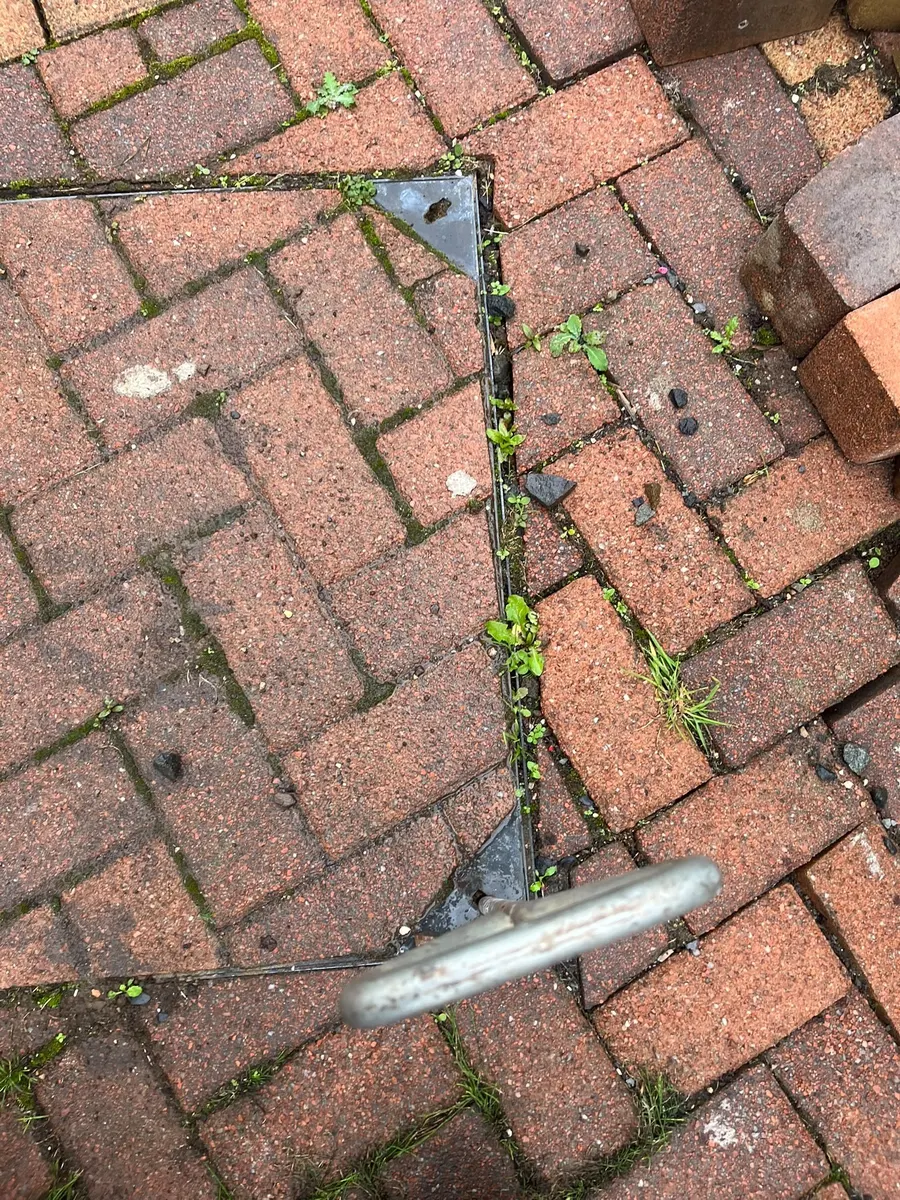
Who pays, by cause of blockage
This table is built from the Repairing Standard, the private residential tenancy notes and Scottish Water's own split between private pipework and the public sewer. It is a guide to where the burden usually sits, not a ruling on your case. A tribunal looks at the evidence.
| What caused it | Who usually pays | Why |
|---|---|---|
| Tree roots, scale, silt, a pipe that has dropped or cracked | The landlord | The drain is failing through age or condition. It is part of the exterior drains the Repairing Standard covers. |
| A collapsed or broken pipe | The landlord | A repair to the drain itself, not a clearing job. Nothing the tenant did caused it. |
| A blockage that returns after being cleared | The landlord | It points to a fault in the pipe. A camera survey shows the cause. |
| Wipes, nappies, sanitary products or similar flushed down | Can be the tenant | Tenants must take reasonable care. If the landlord can show this caused it, the repair duty does not cover damage the tenant caused. |
| Fat, grease or food poured down a kitchen sink | Can be the tenant | The same reasoning, but the landlord needs evidence of the cause, not a guess. |
| A blockage in the public sewer, past the property boundary | Scottish Water | Scottish Water is responsible for the public sewer. Neither the landlord nor the tenant is. |
| Council or housing association home | The landlord, within Right to Repair timescales | A different scheme applies. See the section below. |
| Cause unclear | No automatic answer | The landlord has the duty to keep the drains in order. Get the cause found before anyone is billed. |
The middle rows are where disputes start. "Tenant misuse" is a claim that needs proving. A drain that has blocked three times in a year, or that has roots in it, was failing before anyone flushed anything.
What you owe as a tenant
The Scottish Government's model private residential tenancy agreement says the tenant agrees to take reasonable care of the let property. Its supporting notes describe reasonable care as the sort of care a reasonable occupier would take to keep the property in good condition. The model agreement also says the tenant must pay to repair damage caused wilfully or negligently by the tenant, anyone living with them or an invited visitor.
In practice, that means:
- Keep wipes, nappies, cotton buds and sanitary products out of the toilet, and fat and grease out of the sink.
- Report a slow drain early. The landlord's duty starts when they know about it, and a small problem left for weeks is easier to argue was your doing.
- Let the landlord or their contractor in. The Scottish Government's supporting notes say the tenant must give reasonable access for repairs.
What you do not owe is the cost of a drain failing through age, roots or a cracked pipe. If a landlord or agent tells you the tenant always pays for blocked drains, that is not what the Repairing Standard says.
How to report it, step by step
- Tell the landlord or agent straight away, in writing
Email or text works. Say what is happening, where, and when it started. Keep the message.
- Take photos and a short video
Water standing in the sink, shower or gully, an overflowing chamber, the smell. Date them.
- Say what has gone down it
Be honest about it. If you flushed something you should not have, say so. A landlord who finds out later will treat it as concealment.
- Ask who will attend and when
The Scottish Government's notes say a reported defect must be fixed within a reasonable time. Put the question in writing and note the answer.
- If it is an emergency, stop using the water
If sewage is coming up inside, stop using toilets and drains, keep children and pets away and tell the landlord it is urgent.
- Escalate if nothing happens
See the section on the tribunal below.
The evidence that settles who pays
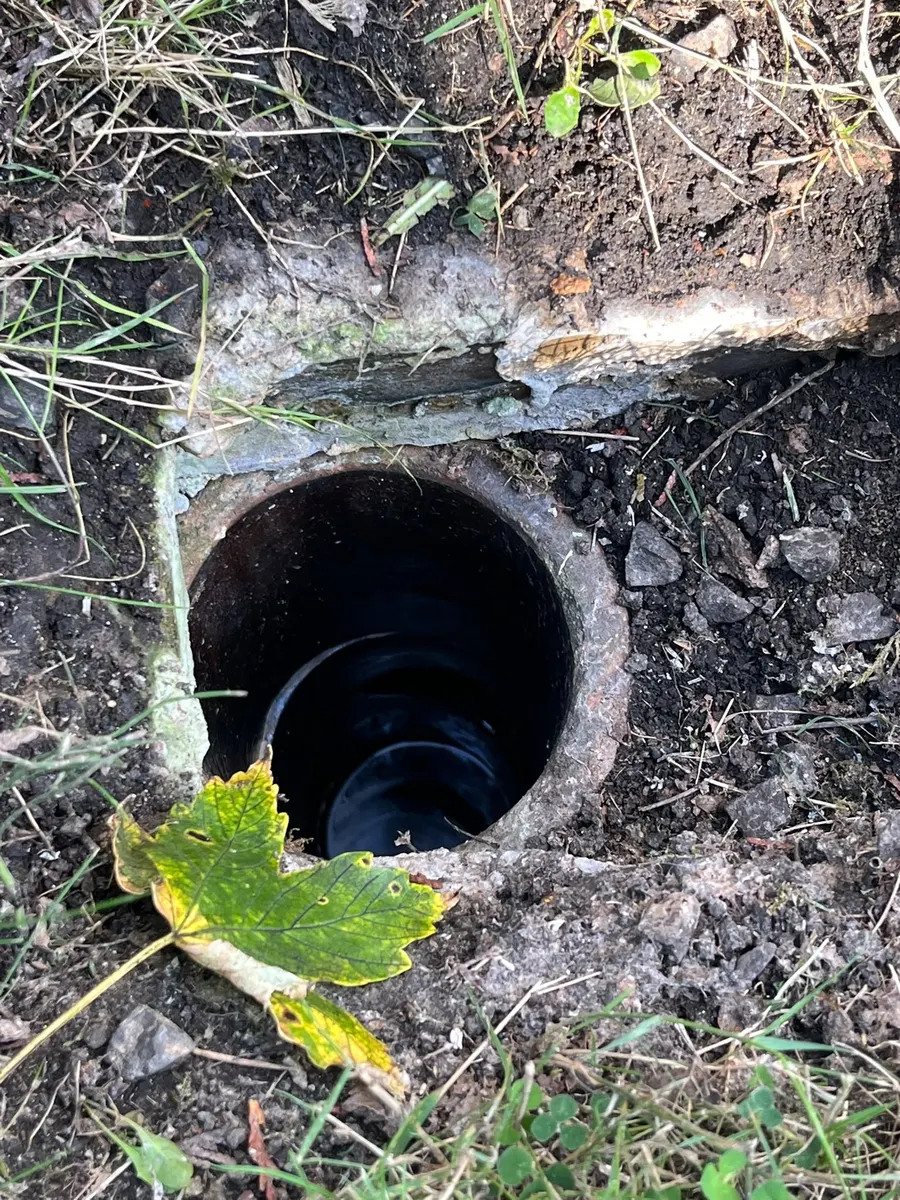
If a bill is coming, the person who can show the cause wins the argument. Whoever clears the drain should be able to tell you what they found, and you can ask for it to be written on the invoice or in a short note. Useful evidence includes:
- Where the blockage was: in the private drain, at the boundary or in the public sewer.
- What it was: tree roots, scale, grease, a collapsed section, or items that should not have been flushed.
- Photos of what came out, or a camera survey that shows the pipe. A survey is how you tell a blockage from a defect. A 2026 UK price guide gives about £90 to £200 for one, including VAT.
- The date and the address, so a record of a previous blockage can be matched to it.
- Who asked for the work and who is paying, written on the invoice.
Without that, "it was the tenant's wipes" and "it was the old pipes" are both just opinions.
What clearing a drain can cost, and why VAT matters on the invoice
These are market figures, not CB Drainage prices. A 2026 UK guide from Fantastic Services gives about £80 to £250 including VAT for unblocking a drain, and says London and the South East run 15 to 30% dearer than Scotland. Camera surveys come in separately, at about £90 to £200 in the same guide. Where the drain is repaired rather than cleared, the cost rises with the dig.
VAT changes what a landlord or tenant actually pays. The standard rate is 20%, and a trader must register for VAT once turnover passes £90,000 in a rolling 12 months, so many local drainage engineers do not charge it. Two examples, with made-up numbers to show the sums:
- £150 plus VAT from a VAT-registered firm is £150 × 1.2 = £180 to pay.
- £150 from a trader who is not VAT registered is £150 to pay.
Whichever of you is paying, ask whether the figure includes VAT before work starts. If a landlord says they will "deduct it from your deposit", the bill should show the cause, the date and the VAT status. Our guide to a blocked drain outside the house breaks down the cost by job type, and the Stirling and Falkirk cost guide has worked examples.
Need it cleared?
Ask for the total with VAT
Call Brian or send the details through the quote form, and ask whether the price includes VAT before work starts.
Request a quoteCall 07935 496833If the landlord wants to take it from your deposit
mygov.scot says that when a tenancy ends, any deductions the landlord proposes go to you through the tenancy deposit scheme, and you have 30 working days to say whether you agree. If you do not reply, the landlord gets the amount requested. If you disagree, all three approved schemes offer a free dispute resolution service in which an independent adjudicator reviews evidence from both sides, and the landlord has to show they have a claim to keep some or all of the deposit. The three approved schemes are Letting Protection Service Scotland, mydeposits Scotland and SafeDeposits Scotland.
That is why the evidence section above matters. A landlord claiming for a blocked drain will need to show the cause was your doing. A tenant who reported early and kept the messages has a much better record than one who did not.
If the landlord does not act
The Housing and Property Chamber of the First-tier Tribunal for Scotland says that if a tenant believes a rented house does not meet the repairing standard, an application can be made for a decision on whether the landlord has complied with the duty. The tribunal can then order the landlord to carry out the repairs. The Chamber's application form says you must tell the landlord or their agent about all the work required before you apply, and that the landlord is sent a copy of the form.
So the sequence is: report in writing, allow a reasonable time, then apply if nothing is done. This is general information, not legal advice. Citizens Advice Scotland is a sensible first call if you are unsure.
Council and housing association tenants: Right to Repair
If your landlord is a council or housing association, a separate scheme called Right to Repair covers certain small urgent repairs, and Citizens Advice Scotland lists blocked drains among them. The scheme sets time limits for the repair, and the £350 figure that appears in some guides is the value limit on which repairs qualify, not a sum a private tenant can claim back. Private tenants do not use Right to Repair. They use the Repairing Standard and the tribunal.
When it is neither of you: the public sewer
Scottish Water says the private drain runs from the home to the property boundary, where it meets the public sewer, and that the public sewer network is its responsibility. Its own drains and sewers guide says that for private pipework in a rented home you should contact a licensed plumber or your landlord or council. If sewage is coming up and neighbours are affected too, or the problem looks like it is past the boundary, ring Scottish Water on 0800 0778 778. Our guide to who is responsible for blocked drains in Scotland shows where the boundary falls, and the guide on whether Scottish Water unblock drains for free covers what they will and will not do.
If you are the landlord
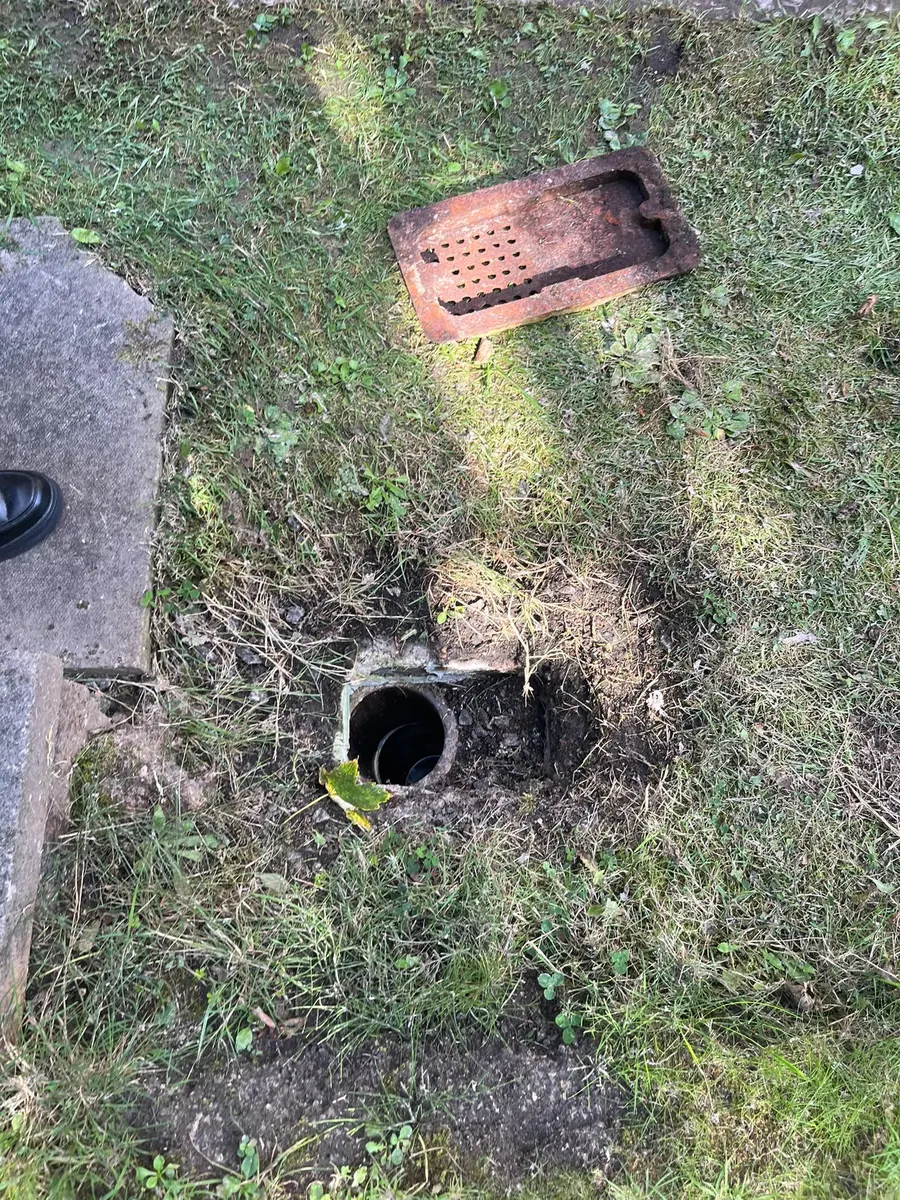
The same rules protect you from paying twice. Ask the engineer to record what was found and where, keep photos, and treat a repeat blockage as a signal to survey the pipe rather than clear it again. A landlord who can show a misused drain is on firm ground. A landlord who bills a tenant for a failing pipe is not. If you want a local drainage engineer to look at a rented property, say it is a let when you call and ask for the cause to be written on the invoice. Our drain unblocking page has the service details.
Keep reading: Drain rodding or jetting: what each costs and clears.
Blocked drain in a rented home: common questions
Is a blocked drain the landlord's or the tenant's responsibility in Scotland?
In a private let, usually the landlord's. The Housing (Scotland) Act 2006 includes drains, gutters and external pipes in the Repairing Standard, and the duty applies whatever the tenancy agreement says. The Scottish Government's notes say the landlord does not have to repair damage caused by the tenant beyond normal wear and tear, so a blockage the tenant caused can fall to the tenant if the landlord can show it.
Can my landlord make me pay if wipes blocked the drain?
Possibly, but only if they can show that is what happened. Tenants must take reasonable care of the property, and the landlord does not have to repair damage the tenant caused. A drain with roots, scale or a cracked pipe was failing already, so ask for the cause in writing before you accept a bill.
Can a private tenant claim £350 under Right to Repair?
No. Right to Repair applies to council and housing association tenants, and Citizens Advice Scotland lists blocked drains among its qualifying repairs. The £350 is the value limit on which repairs qualify. Private tenants use the Repairing Standard and can apply to the Housing and Property Chamber.
What if the landlord does nothing about a blocked drain?
Put the problem in writing, allow a reasonable time, then you can apply to the Housing and Property Chamber, which can order the landlord to carry out repairs. Its form says you must tell the landlord about the work required before you apply. Citizens Advice Scotland can help if you are unsure.
Can the landlord take the cost of a drain from my deposit?
Only by proposing the deduction through the tenancy deposit scheme at the end of the tenancy. mygov.scot says you have 30 working days to respond, that all three schemes offer free dispute resolution, and that the landlord must show they have a claim to keep some or all of the deposit.
What if the blockage is in the public sewer?
Then it is Scottish Water's, not the landlord's or the tenant's. Scottish Water says the private drain runs from the home to the boundary and the public sewer network is its responsibility. Ring 0800 0778 778 if sewage is coming up or neighbours are affected too.
Keep reading: Toilet still blocked after plunging? What to do next.
Keep reading: Stirling student lets: pre-term drain check.
Sources
- Housing (Scotland) Act 2006, section 13, for the Repairing Standard and the exterior and drains test. Checked 19 October 2026.
- Scottish Government: Repairing Standard statutory guidance for private landlords, in force from 1 March 2024, including Annex C on drains, gutters and external pipes. Checked 19 October 2026.
- Scottish Government: Private residential tenancy statutory terms, supporting notes, for the tenant's reasonable care, access, and the landlord's limit for tenant-caused damage. Checked 19 October 2026.
- Housing and Property Chamber: Repairs FAQ, for applying to the tribunal. Checked 19 October 2026.
- Citizens Advice Scotland: Getting repairs done while renting, for Right to Repair and council and housing association tenants. Checked 19 October 2026.
- mygov.scot: Getting your tenancy deposit back when you move out, for deductions, the 30 working days and free dispute resolution. Checked 19 October 2026.
- Scottish Water: Your Pipes FAQs, for the private drain to the boundary and the public sewer beyond it. Checked 19 October 2026.
- Fantastic Services: How much does it cost to unblock a drain? (2026 UK price guide), for the market ranges, including VAT. Checked 15 October 2026.
- GOV.UK: VAT rates and GOV.UK: Register for VAT, for the 20% rate and the £90,000 threshold.