
The cheapest time to find a drain fault in a let is the week before the keys change hands, because the Housing (Scotland) Act 2006 says a landlord must make sure the house meets the repairing standard at the start of the tenancy, and that standard covers the drains and the sanitation installations. This guide is for Stirling landlords with student lets or any other let that turns over on a fixed date. It sets out what the law asks you to check, which pipes are yours and which are Scottish Water's, a six-step test you can run in twenty minutes, a table that turns each result into a decision, and the sums for a camera check across three properties using named, dated market ranges. Those ranges are not CB Drainage prices. If you want a drainage engineer to do the checking, our Stirling drainage page explains how Brian works.
What the law asks of you before the tenancy starts
Section 13 of the Housing (Scotland) Act 2006 lists what a let must meet to pass the repairing standard. Two items matter for drains. The structure and exterior of the house, including drains, gutters and external pipes, must be in a reasonable state of repair and in proper working order. The installations in the house for sanitation must be in a reasonable state of repair and in proper working order too. The same section says installations outwith the house count if they serve the house and the owner is responsible for maintaining them, which is how a private drain under the garden ends up on your list.
Section 14 sets the timing. The landlord must ensure the house meets the standard at the start of the tenancy and at all times during it. The duty during the tenancy applies once the tenant tells you or you otherwise become aware that work is needed, and the work must be finished within a reasonable time of that. The Act also says that, in judging the standard, regard is to be had to the age, character and prospective life of the house, so an older stone property is not held to the standard of a new build.
Stirling Council's page on the repairing standard, last updated 26 March 2026, adds the practical step: landlords must carry out a pre-tenancy check of the property to identify work needed to meet the standard, and notify tenants of any such work. The council's page also says tenants can refer an issue to the First-tier Tribunal for Scotland Housing and Property Chamber if they have told the landlord about a problem and it has not been dealt with satisfactorily, and that the Chamber can compel a landlord to carry out the work. The Scottish Government's statutory guidance for private landlords, which brings together every element of the standard landlords must comply with from 1 March 2024, is the document to read alongside the Act.
None of this tells you how to test a drain. That part is practical, and the rest of this guide covers it. This is general information, not legal advice.
Who owns what: where your check stops
Scottish Water says the private drain that removes waste water from your toilet and sinks runs from the home to the property boundary, where it meets the public sewer, and that the homeowner is responsible for it. Citizens Advice Scotland says homeowners and landlords are responsible for household waste pipes up to where they connect with the public sewer, normally at the boundary, and that Scottish Water maintains public sewers from that point. If a landlord's pipe blocks, the landlord arranges and pays for the repair.
Two exceptions change what you check. First, in flats and tenements some pipes are shared, and Citizens Advice Scotland says the owners of shared pipes are jointly responsible for repairs and maintenance. A student flat on a shared stair may therefore have a drain you cannot unblock or repair alone, and the pre-term check is when you learn that. Second, Scottish Water's flooding responsibility factsheet says it is responsible for operating public foul and combined sewers and for managing problems caused by sewers flooding or becoming restricted by chokes or collapses. If your test points beyond the boundary, report it to Scottish Water on 0800 0778778, and see our guide to whether Scottish Water unblock drains for what to expect from that call.
The pre-term check in six steps
The steps below are our own rule of thumb, not an official procedure. They need no tools beyond a bucket and a torch. Do them with the property empty if you can, and write down what you see at each step with the date.
- Run every fitting at once.
Turn on the kitchen sink, the bathroom basin and the bath or shower together for several minutes. Water that slows, gurgles or rises in another fitting is the signal that the shared drain is restricted, not one trap.
- Flush each toilet twice, a minute apart.
Watch the pan settle. A slow settle on the second flush is worth noting even if the first looked normal.
- Look at the gullies and the ground outside.
A gully that holds standing water, a damp patch on a path or a smell near a cover is a fault to record. Take a photograph with something in frame that shows the position.
- Lift the nearest chamber lid and look from above.
Use a lifting key, keep your head clear of the opening and never climb in. Water standing in the channel suggests the blockage is further along. Leave anything deeper than you can safely see to an engineer.
- Check the shared pipes and who else uses them.
In a flat, find out which owners share the drain. A defect on a shared pipe needs the other owners, so find that out now, not in the first week of term.
- Record the result and tell the tenants.
Date it, keep the photographs, and tell the tenants about any work still to do, as Stirling Council's page asks.
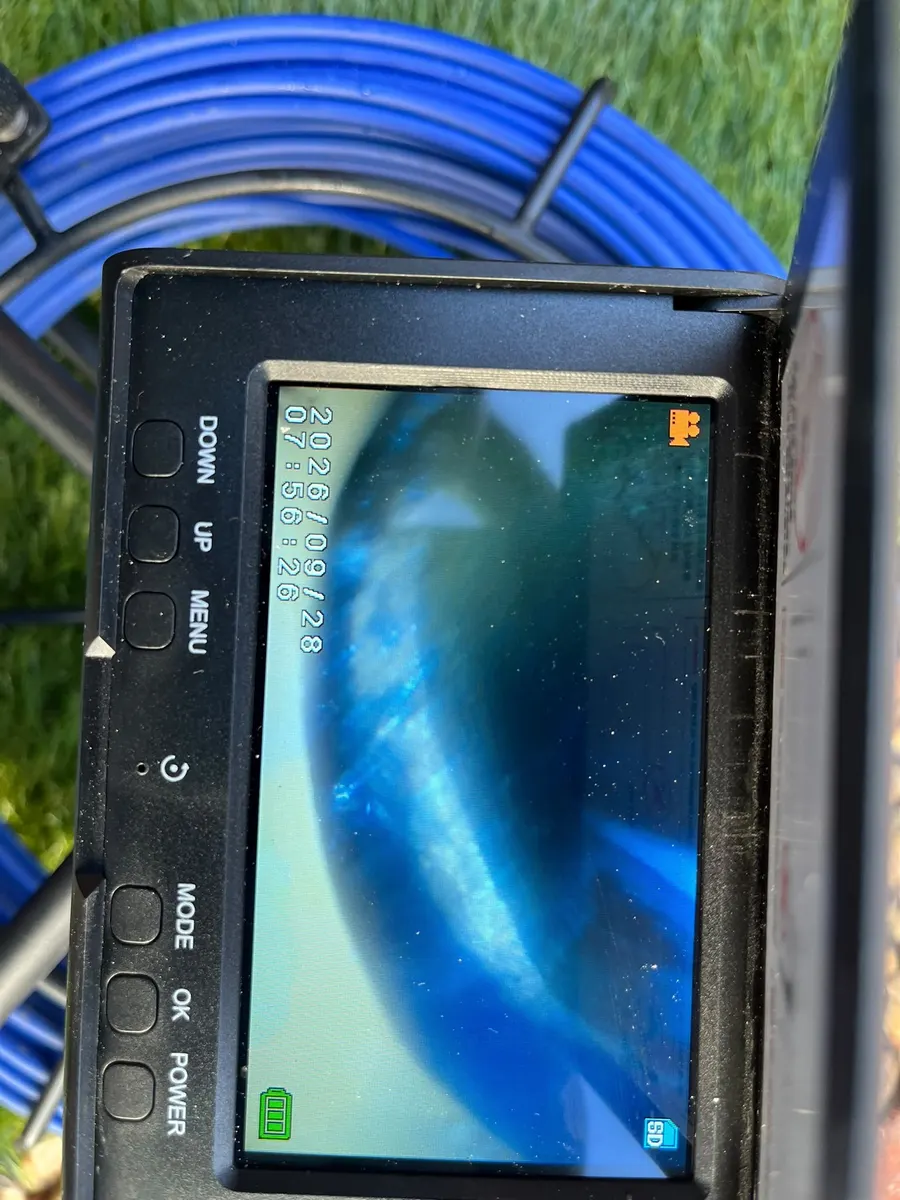
What each result means and what to do next
This table uses only what is on this page. It turns a result from the six steps into a next move and says which party normally pays, based on the Scottish Water and Citizens Advice Scotland positions above.
| What you find | What it suggests | Next step | Who normally pays |
|---|---|---|---|
| Everything runs and flushes normally | No fault found today | Record the date and what you ran | Nobody, but keep the record |
| One fitting slow, the rest fine | A local blockage in that trap or branch | Clear that fitting and retest | Landlord, if the pipe is a landlord's pipe |
| Several fittings slow or gurgling together | A restriction in the shared drain | Rod or jet the run, then retest | Landlord for a private drain |
| Chamber full, lid nearest the house | A blockage further along towards the boundary | Book a drainage engineer | Landlord up to the boundary |
| Slow again within days of clearing | A cause the first clear did not remove | Book a camera check | Landlord |
| Problem beyond the boundary | A public sewer matter | Report to Scottish Water | Scottish Water |
| Problem on a pipe shared in a flat | A joint matter among the owners | Contact the other owners and agree the repair | The owners jointly |
When to book a camera check, and what it costs
A camera survey sends a camera along the pipe and records what is inside it. It is the right step when a drain has blocked before, when a flat shares pipes and you cannot see them, or when the six steps leave you unsure. Two named market guides give the range, checked on 6 November 2026 and not presented as CB Drainage prices.
| Job | Range | Source and date | VAT |
|---|---|---|---|
| Basic survey to identify a blockage | £90 average | MyJobQuote, updated 6 October 2026 | Not stated on the page |
| Basic drain and sewer inspection | £150 average | MyJobQuote, updated 6 October 2026 | Not stated on the page |
| Full survey with mapping of the drains | £350 average | MyJobQuote, updated 6 October 2026 | Not stated on the page |
| Camera survey added to a blockage job | £90 to £200 | Fantastic Services, 2026 guide | Included, per the guide |
| Drain rodding, outside London | £60 to £90 | Fantastic Services, 2026 guide | Included, per the guide |
| Drain jetting, outside London | £70 to £125 | Fantastic Services, 2026 guide | Included, per the guide |
| Excavation to repair a serious blockage | From around £600 | Fantastic Services, 2026 guide | Included, per the guide |
MyJobQuote adds that if the ground needs to be excavated or the drain entrance located, that can add £100 to £300. Both guides cover the whole UK. Neither is a Stirling price, so use them to judge whether a quote is in the right area, not to set a budget.
Worked sum: three lets, one finding
Take three properties with a basic drain and sewer inspection each, at MyJobQuote's £150 average. That is 3 x £150 = £450. If the engineer's quote is ex VAT and the engineer is VAT registered, VAT at 20% adds £90, so the bill is £540. Ask which it is before you book, because MyJobQuote's page does not say. Suppose the survey finds one slow run that needs rodding, at Fantastic Services' £60 to £90 including VAT. The total across the three lets is £450 + £60 = £510 at the low end and £450 + £90 = £540 at the high end, or £600 to £630 if the survey quotes were ex VAT and the £90 of VAT is added. The sum is illustrative. It uses the middle of one guide and the range of another, and your quotes will differ.
The same page of figures shows what the check does and does not save. If the survey finds a collapsed pipe, Fantastic Services puts excavation from around £600, and that bill is the same before term as in the middle of it. What changes is who is living in the house while it is dug and how long you have to act once a tenant has told you.
On VAT, the standard rate is 20% on most goods and services according to GOV.UK, and a business must register once its taxable turnover goes over £90,000. Ask whether a quote includes VAT, whether there is a call-out charge, and whether the camera footage and a written note of findings are part of the price, so you can compare two quotes like for like.
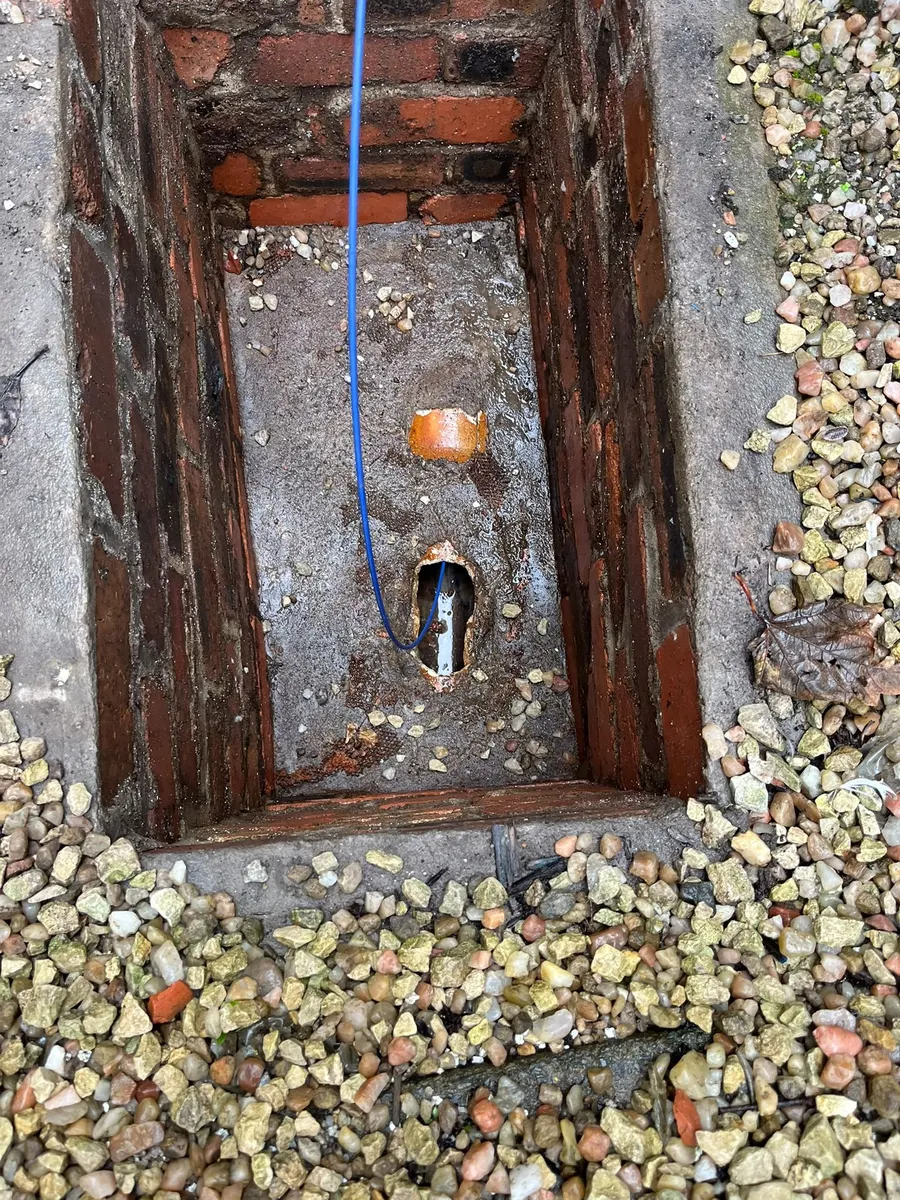
Fault found, or unsure?
Send the results for a fixed quote
Call Brian or use the quote form, and ask for the method, the VAT position and the total in writing before work starts.
Request a quoteCall 07935 496833Tell the tenants, and keep the record
Stirling Council's page says the pre-tenancy check exists to identify work needed to meet the standard, and that landlords must notify tenants of any such work. Record three things for each property: the date and what you ran, photographs of any fault with something in frame to show where, and the date you told the tenant what was outstanding. Where a fault is found, add the engineer's name, the date and what was done.
The record does two jobs. If a blockage arrives in the first month, you can show what condition the drain was in at the start, which matters when the cause of a later blockage is disputed. Our guide to who pays when a drain blocks in a rented home sets out the Scottish position by cause. It also means the reasonable time in section 14 starts from a documented date and not a remembered one.
If a blockage arrives after term starts
Section 14 says the landlord's duty during the tenancy applies once the tenant notifies the landlord or the landlord otherwise becomes aware, and that the landlord complies only if the work is completed within a reasonable time. For drains the Act sets no number of days. Citizens Advice Scotland tells a private tenant who is not getting the repair to collect evidence, send a second request that says the next step is a complaint to the First-tier Tribunal, and apply to the Tribunal if that fails. A landlord who has a dated pre-term record and a quick response is in a far stronger position than one who has neither.
Not every blockage is the landlord's fault. Scottish Water's leaflet says that around 80% of the blockages that clog up the water cycle are caused by inappropriate items put down the toilet, or fat, oil and grease put down the sink. If the cause is misuse, our guide to a drain blocked with wet wipes covers what to do and what to say to tenants. A fault that is already on your pre-term record is hard to pass to a tenant.
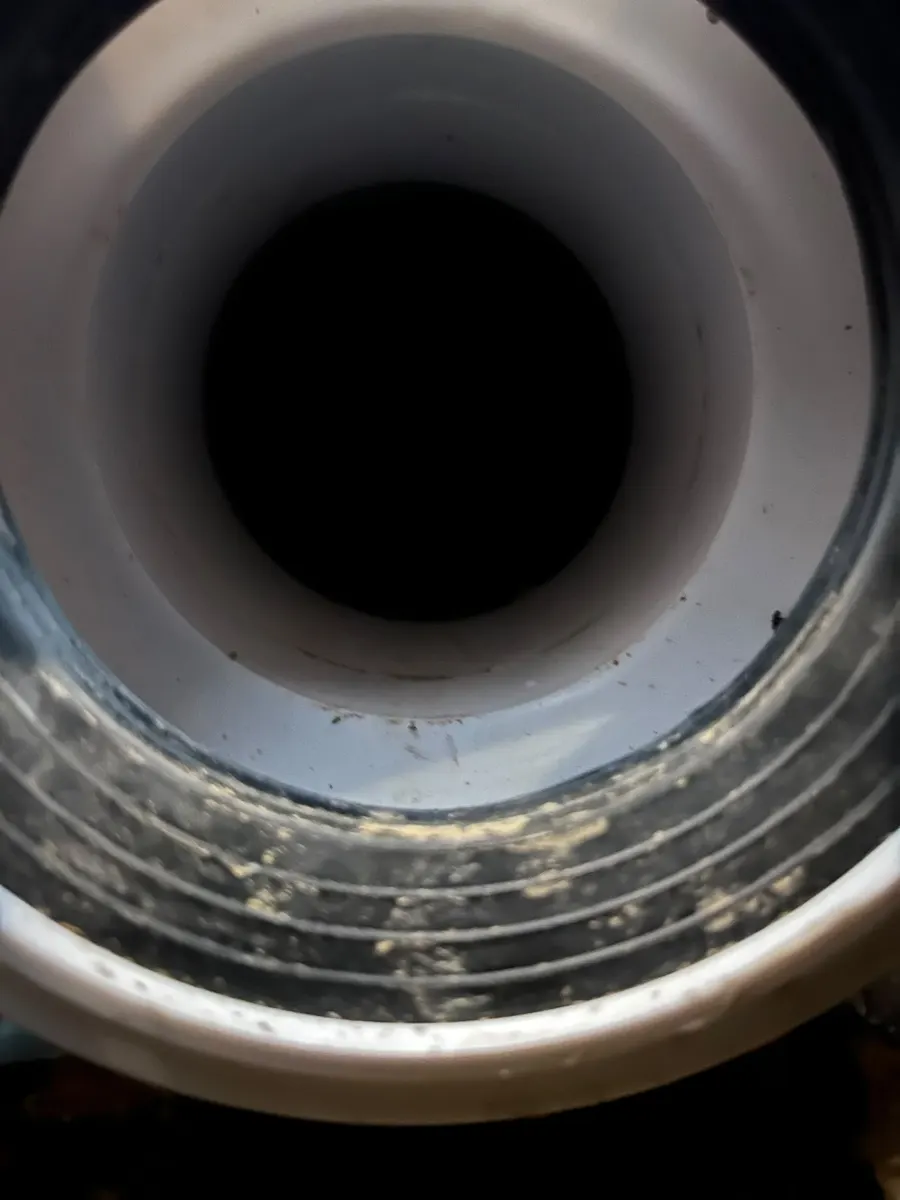
What to send an engineer for a fixed quote
Whether you are booking a check for one flat or a portfolio, send the same things each time so the quotes compare. Give the address, the type of property and whether it is a flat sharing pipes, which fittings are affected and since when, a photograph of the nearest chamber with the lid off if it is safe to take, and the date the tenancy starts. Ask for the method, VAT position and total in writing before work starts. If you also manage lets in Falkirk or Alloa, say so, because the same visit can cover more than one address.
If you would rather hand the check to someone else, Brian covers Stirling and the rest of Central Scotland, and you can start from the drain unblocking service page.
Pre-term drain checks: common questions
Do I have to check the drains before a tenancy starts in Scotland?
The Housing (Scotland) Act 2006 says the landlord must ensure the house meets the repairing standard at the start of the tenancy and at all times during it, and the standard covers drains and sanitation installations. Stirling Council says landlords must carry out a pre-tenancy check of the property and notify tenants of any work needed.
Whose drain is it, mine or Scottish Water's?
Scottish Water says the private drain runs from the home to the property boundary, where it meets the public sewer, and that the homeowner is responsible for it. Scottish Water maintains the public sewer from that point. Citizens Advice Scotland says the owners of shared pipes in a flat are jointly responsible for them.
How do I test the drains in an empty let?
Run the kitchen sink, bathroom basin and bath or shower together for several minutes and watch for slowing or gurgling, flush each toilet twice a minute apart, look at gullies and covers, and look into the nearest chamber from above without climbing in. This is a rule of thumb, not an official procedure.
How much does a camera check cost?
On 6 November 2026 MyJobQuote's average for a basic drain and sewer inspection was £150, with a basic survey to identify a blockage at £90 and a full survey with mapping at £350. Its page does not say whether VAT is included. Fantastic Services puts a camera survey added to a blockage job at £90 to £200 including VAT. These are UK guides, not CB Drainage prices.
What if a tenant reports a blocked drain after term starts?
Section 14 of the Act says the landlord must complete any work within a reasonable time of being told or otherwise becoming aware. Citizens Advice Scotland says a private tenant who is not getting a repair can send a second request and then apply to the First-tier Tribunal for Scotland Housing and Property Chamber.
Sources
- legislation.gov.uk: Housing (Scotland) Act 2006, section 13, the repairing standard, for drains, external pipes and sanitation installations. Checked 6 November 2026.
- legislation.gov.uk: Housing (Scotland) Act 2006, section 14, landlord's duty to repair and maintain, for the start-of-tenancy duty and the reasonable time. Checked 6 November 2026.
- Stirling Council: Repairing standard, last updated 26 March 2026, for the pre-tenancy check and tenants' rights. Checked 6 November 2026.
- Scottish Government: Repairing Standard, statutory guidance for private landlords, for the 1 March 2024 date. Checked 6 November 2026.
- Scottish Water: Your pipes FAQ, for who owns the private drain and the public sewer. Checked 6 November 2026.
- Scottish Water: Factsheet 13, Flooding responsibility explained, for public sewer duties and private drain upkeep. Checked 6 November 2026.
- Scottish Water: Your waste water services, for the helpline and the share of blockages caused by misuse. Checked 6 November 2026.
- Citizens Advice Scotland: Public sewerage, for who maintains public sewers and the joint duty for shared pipes. Checked 6 November 2026.
- Citizens Advice Scotland: Getting repairs done while renting, for the private tenant's steps and the Tribunal. Checked 6 November 2026.
- MyJobQuote: Drain survey cost, last updated 6 October 2026, for the survey ranges. Checked 6 November 2026.
- Fantastic Services: How much does it cost to unblock a drain? (2026 UK price guide), for rodding, jetting, survey and excavation figures including VAT. Checked 6 November 2026.
- GOV.UK: VAT rates and GOV.UK: When to register for VAT, for the 20% rate and the £90,000 threshold. Checked 6 November 2026.