
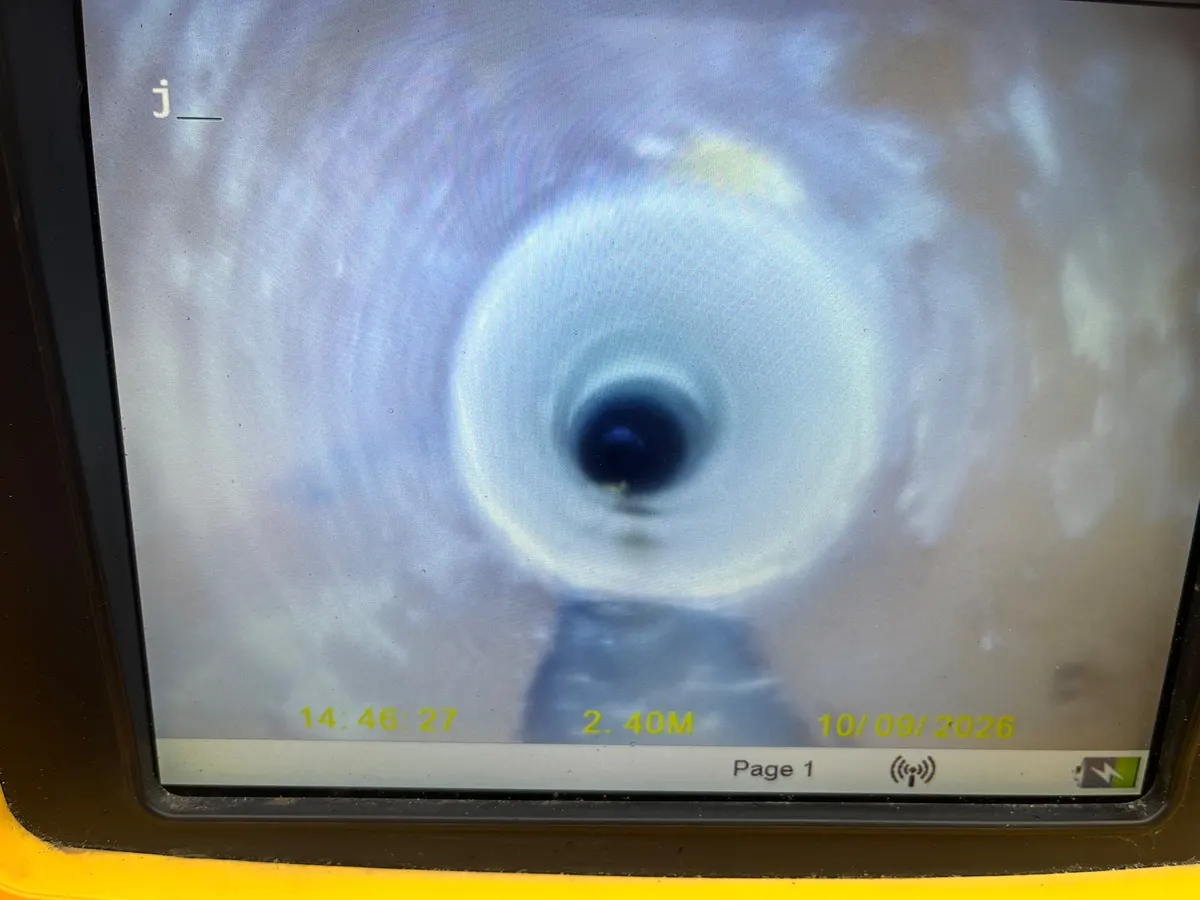
A CCTV drain survey in Scotland is priced anywhere from about £90 to £500 in the 2026 guides, and the figure you are quoted mostly depends on what you are asking the camera to do: look at one blockage, or inspect and map a whole drain. MyJobQuote's guide, published on 6 October 2026, puts the average at £250 for about two hours, and it does not say whether that includes VAT. That gap matters, because 20% on a £250 job is £50. This guide sets the survey types side by side, shows the sums with and without VAT, says when a survey saves you paying twice for one blockage and when it does not, and lists what a report should contain before you hand over money. Our CCTV drain survey page explains the service itself and has the quote form.
What the 2026 guide prices, survey type by survey type
Scotland-specific survey prices are scarce. The figures below are UK-wide averages from one guide, so treat them as a place to start a conversation, never as a quote from CB Drainage Scotland. We show no prices of our own here.
| Survey type | Average in the guide | What the job is |
|---|---|---|
| Basic blockage survey | £90 | A look at the pipe where it is blocked |
| Basic drain and sewer inspection | £150 | A run of pipe checked for obvious faults |
| Locating a blockage with CCTV | £250 | Finding where along the run it sits |
| Full survey with mapping | £350 | The whole run inspected and drawn |
| Full survey, robotic crawler | £350 | A powered camera for longer or larger pipes |
| Full survey, push camera | £500 | The top of the guide's range |
| Pre-purchase survey | £250 to £350 | A standard property before you buy |
Two more lines in the same guide change the total. Pre-survey cleaning or jetting is listed at £100 to £150, because a camera cannot see through a pipe full of debris, and digging down to find the drain entrance at £100 to £300. Larger properties are given as £350 to £450 and four to six hours. Source dates and VAT treatment differ between guides, so a second named source follows.
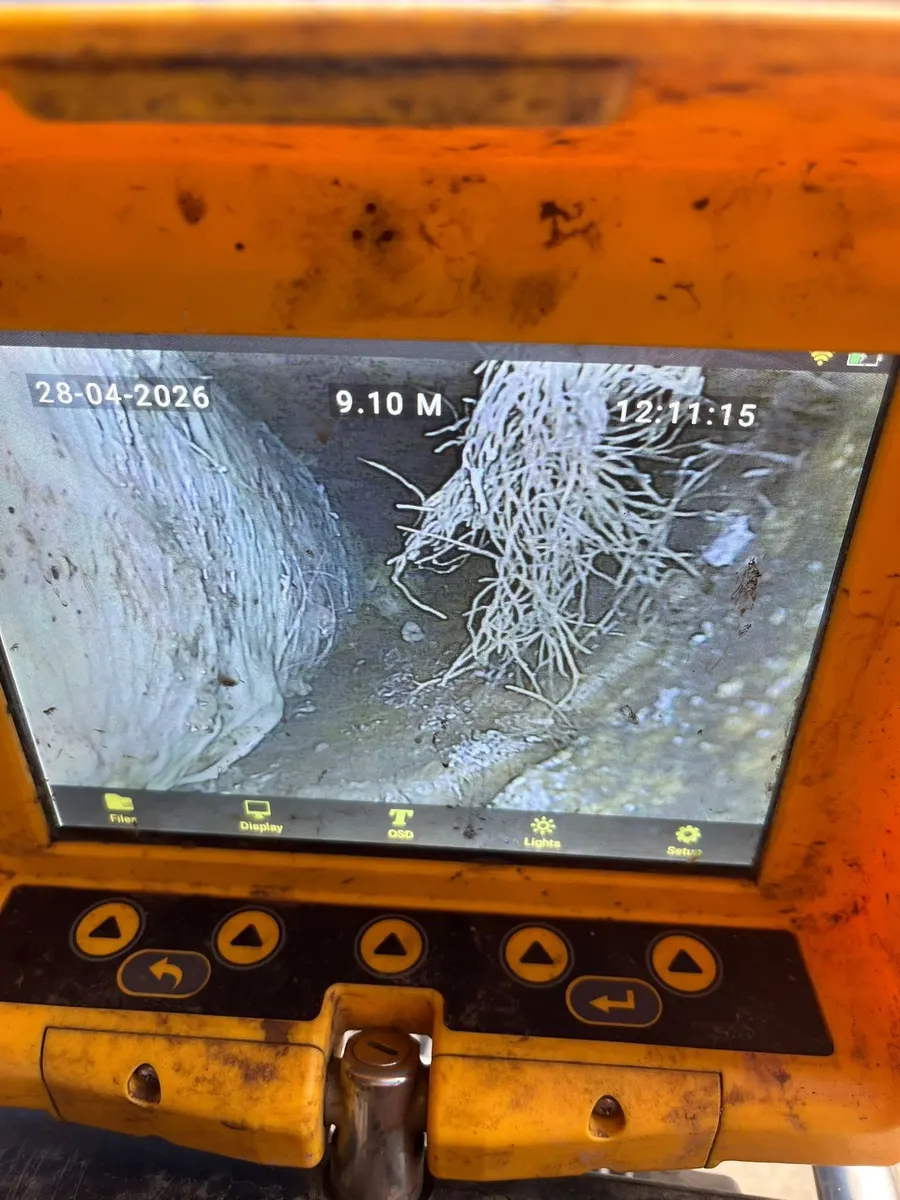
One quote, read three ways
The standard rate of VAT is 20%, and a business has to register once its VAT taxable turnover passes £90,000 (GOV.UK, checked 20 November 2026). A small drainage firm may be below that line and charge no VAT at all, or above it and add 20%. Neither is wrong. What matters is that you know which you are comparing. These sums use the guides' own figures:
| If the quote is | Working | You pay |
|---|---|---|
| The guide's £250 average, VAT not added | £250 plus 20% (£50) | £300 if the firm is VAT registered |
| The guide's £250 average, VAT already inside | £250 divided by 1.2 | £208.33 before VAT, £250 in total |
| £250 survey plus £100 to £150 jetting first | £250 plus £100, or £250 plus £150 | £350 to £400 before any VAT |
| An hourly-rate guide: £48 an hour, two hours | 2 times £48, then plus 20% | £96 before VAT, £115.20 with it |
The last row uses HaMuch's Edinburgh rate of £48 an hour and £349 a day, which the page says excludes VAT and call-out charges. That page carries no date and its local pages are built from hourly rates, so it is a floor for the camera time, not the price of a report. The two guides sit well apart, which is the reason to ask each firm for a written price that says "inc VAT" or "ex VAT". Under the Consumer Rights Act 2015, section 51, if no price is agreed beforehand you must pay a reasonable one and no more, and what is reasonable is a question of fact. Agreeing the figure first avoids that argument.
Does the drain need a camera, or just a clear-out?
Most blocked drains do not need a survey. A one-off blockage that clears and stays clear is usually a rod-or-jet job, and our guide to what rodding or jetting costs and clears covers it. A camera earns its fee when the clear-out has not answered the question. The table matches the situations that come up to what a survey adds.
| Your situation | What a survey adds | Worth it? |
|---|---|---|
| Blocked once, cleared, no repeat | Little. The cause was probably what went down it | Usually not |
| Blocked two or three times in a year | Shows whether a root, a slipped joint or a dip is catching debris | Yes, before a third clear-out |
| The engineer cannot get past one point | Shows whether it is a solid blockage or a change in the pipe | Yes |
| A smell or damp patch along the drain line | Checks for a leak or a broken section | Yes |
| Buying a home | Checks the part of the property the buyer cannot see | Usually yes, see below |
| Planning an extension near a drain | Shows where the drain runs and what state it is in | Yes, before design is fixed |
The saving is in the second row. Paying for two clear-outs and then a survey costs more than paying for the survey after the first repeat, because the survey is what tells you whether clearing it again is the right spend at all.
Repeat blockage?
Ask for a look before a third clear-out
If the drain has blocked more than once, call Brian or use the quote form and describe what keeps happening.
Request a quoteCall 07935 496833Buying a home: what the Home Report leaves open
If you are buying in Scotland, the seller provides a Home Report with three parts: an energy report, a property questionnaire and a single survey. The Scottish Government's research on the Home Report records that the survey is a visual inspection, with no subfloor or roof access, and that access limits and furniture can hide problems. The page we read does not mention drains. That is not proof the survey never comments on them, so ask your surveyor in writing whether the drains were inspected and how. If they were not, a camera survey of the private drain is the way to find out what it looks like before you are the owner, because the owner is the one who pays for it.
That ownership point is Scottish Water's, not ours. Its Your pipes FAQ says the private drain runs from the home to the property boundary, where it meets the public sewer, and that the homeowner is responsible for it. A buyer who finds a defect after completing has no one else to send the bill to, which is the case for a pre-purchase survey in one sentence.
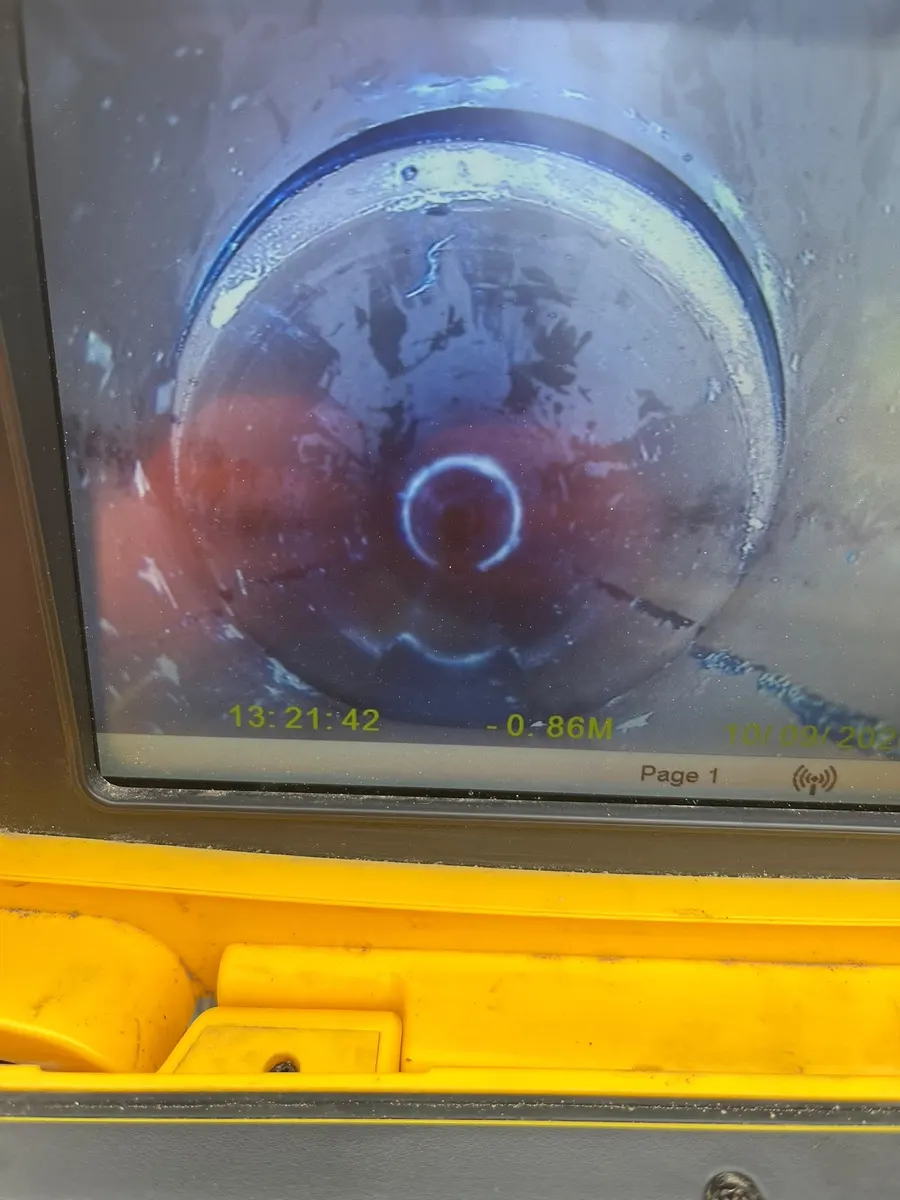
What the report should hold before you pay for it
A video alone is hard to act on, so ask what you will receive when you agree the price. These are the items to look for, whoever does the work.
- Where it started and finished. The report should say which chamber or point the camera went in and where it stopped, with distances along the pipe, so a repair can be placed accurately.
- Pipe details. Material, size and length of each run. Scottish Water's guide describes the drain from a house to the public sewer as usually about 4 inches wide, so a different size is worth asking about.
- Each defect, described and located. Cracks, roots, displaced joints, scale, silt or debris, with the distance from the start so you can find it again.
- A drawing of the run, at least where you pay for mapping.
- What happens next. A plain recommendation: leave it, clean it, patch it or dig. Ask for a separate written price for any repair.
- The footage, so a second firm or an insurer can look at the same pictures.
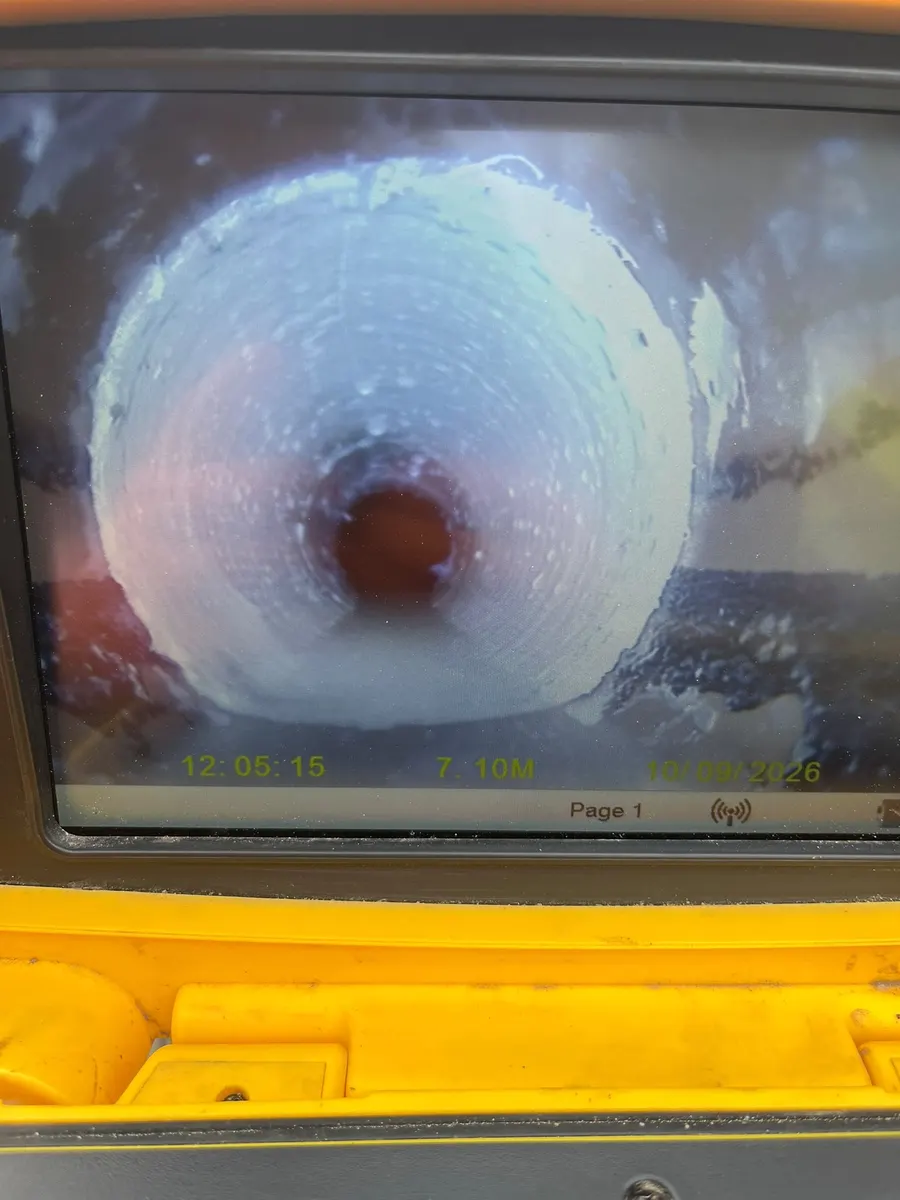
After the survey: whose repair is it?
A defect found by the camera is paid for by whoever owns that stretch of pipe. Citizens Advice Scotland sets it out: Scottish Water maintains and repairs public sewers, which start where the homeowner's drains connect to the main sewer, normally at the property boundary. Homeowners and landlords are responsible for household waste pipes up to that point, and if a pipe they own is blocked or leaking they arrange and pay for the repair. Where owners share pipes, as in a tenement, they are jointly responsible and the title deeds say how costs are split. Our guide on who is responsible for blocked drains in Scotland goes through each case.
Two points sit behind that. The Sewerage (Scotland) Act 1968, section 1, gives Scottish Water the duty to provide public sewers for effectually draining its area, so a defect beyond your boundary is a report to Scottish Water, with your footage as evidence. And Citizens Advice Scotland says Scottish Water can examine drainage systems, can enter private property to do so, and can order repairs and recover the cost from the homeowner, so a survey that finds a fault is better acted on than filed. If you rent, the first call is your landlord, and our guide to whether the landlord or the tenant pays covers what to put in writing.
What moves the price, and what to tell the firm
The guides agree on the main drivers: the length and size of the drain, the number of access points, whether the drain needs cleaning first, how easy it is to reach and whether the surveyor needs a site visit before quoting. The Scottish Government's building standards handbook expects remotely operated equipment to become the normal way of inspecting deeper drains and sewers without anyone going in, so depth is a reason a camera job is not a simple one. When you ring, say how many fittings are affected, whether the drain has blocked before, where the nearest chamber is and whether you are buying, selling or extending. Send a photo of the chamber if you can, and ask for a price that names VAT, the report and any call-out charge.
If a survey is what your drain needs, Brian Robb of CB Drainage Scotland carries out camera surveys from his base in Alloa. Call 07935 496833 or use the quote form on the CCTV drain survey page.
Customer reviews
What customers say
Arrived within an hour, identified the issue and cleared it.
Fast response time and very professional.
CCTV drain survey costs in Scotland: common questions
How much does a CCTV drain survey cost in Scotland?
Scotland-specific figures are scarce. MyJobQuote's UK guide of 6 October 2026 gives £90 to £500, with an average of £250 and about two hours, and does not state VAT. HaMuch's undated Scottish pages give hourly rates such as £48 an hour in Edinburgh, excluding VAT and call-out. These are market figures, not CB Drainage prices.
Does a CCTV drain survey price include VAT?
Not always. The standard rate is 20%, and a business must register for VAT once its taxable turnover passes £90,000 (GOV.UK). On a £250 survey, VAT adds £50 if it is not already included. Ask for the written price to say inc VAT or ex VAT.
Does the Scottish Home Report cover my drains?
The Scottish Government's research describes the single survey as a visual inspection with access limits, and the page we read does not mention drains. Ask your surveyor in writing whether the drains were inspected. If not, a camera survey of the private drain shows its condition before you buy.
Is a CCTV drain survey worth it after one blockage?
Usually not, if it clears and stays clear. It is worth considering after a second or third blockage in a year, when an engineer cannot get past a point, when there is a smell or damp along the drain line, or before buying or extending.
Who pays if the survey finds a defect?
The owner of that stretch of pipe. Citizens Advice Scotland says homeowners and landlords are responsible for household waste pipes up to the connection with the public sewer, normally at the boundary, and Scottish Water maintains the public sewer. Shared pipes are the owners' joint responsibility.
Sources
- MyJobQuote: Drain survey cost guide, published 6 October 2026, for the average prices by survey type and the add-on costs. It does not state VAT treatment. Checked 20 November 2026.
- HaMuch: CCTV drain survey cost, KY10 page, undated, for hourly and daily rates in Scottish towns, stated to exclude VAT and call-out. Checked 20 November 2026.
- Scottish Water: Your pipes FAQ, for who owns the private drain and the public sewer. Checked 20 November 2026.
- Scottish Water: A guide to drains and sewers, for the usual width of a house drain. Checked 20 November 2026.
- Citizens Advice Scotland: Public sewerage, for responsibility, shared pipes, entry rights and repair orders. Checked 20 November 2026.
- legislation.gov.uk: Sewerage (Scotland) Act 1968, section 1, for Scottish Water's duty to provide public sewers. Checked 20 November 2026.
- Scottish Government: Building standards technical handbook 2022, domestic, 3.7 Wastewater drainage, for remotely operated equipment and access to private drains. Checked 20 November 2026.
- Scottish Government: Research to inform the five year review of the Home Report, for the limits of the single survey. Checked 20 November 2026.
- GOV.UK: VAT rates and when to register for VAT, for the 20% rate and the £90,000 threshold. Checked 20 November 2026.
- legislation.gov.uk: Consumer Rights Act 2015, section 51, for the reasonable price rule. Checked 20 November 2026.