
If a toilet or drain is blocked with wet wipes, stop flushing, lift out any wipes you can see with a gloved hand, give the toilet one or two gentle plunges with the cup under water, then stop. If the water will not clear, or the bath, sink or other toilet is slow or gurgling too, the wipes have bunched up in the drain behind the toilet and a plunger will not shift them. At that point it is a job for drain rods or a jetter, and the pipe from your house to the boundary is yours to sort out. Scottish Water, not the pack, is the better guide to what is safe to flush: it says only pee, poo and toilet paper, and everything else, including wipes sold as flushable, goes in the bin. This guide covers why the label misleads, what to do in the first ten minutes, a table for telling where the wipes have stopped, who is responsible, and what clearing it costs. If the drain is yours, our drain unblocking service covers Alloa, Falkirk, Stirling and the rest of Central Scotland.
Why "flushable" on the pack does not make a wipe safe
Many people flush wipes because the packet says they can. That label has a messy history. Water UK, the water industry's trade body, ran a "Fine to Flush" logo for wipes that passed independent tests, and the Water Research Centre (WRc), which ran those tests, says Water UK retired the scheme in March 2024. WRc says ending it was Defra's decision, taken to simplify the message and avoid any product on the shelf being marked as something to flush. So the logo is no longer issued, and a pack that says "flushable" or "biodegradable" is making its own claim, without that industry mark behind it.
Northern Ireland Water's page, written when the logo launched, explained the underlying problem: most brands then followed the industry body Edana's guidelines, which let products be labelled flushable even though they did not break down in the sewer, and Water UK regarded those tests as less rigorous because they did not replicate conditions inside sewers. Scottish Water is still asking the UK Government for mandatory "do not flush" labelling on all bathroom products at risk of being wrongly flushed, and an end to misleading environmental claims on packaging. Its position is simple: flush only the three Ps, pee, poo and toilet paper.
The coming ban does not change that. Regulations will ban the sale and supply of wet wipes containing plastic in Scotland from 11 August 2027, with exemptions for medical and industrial use and business-to-business sales. That is about plastic reaching rivers and beaches. Scottish Water's advice to bin all wipes stands either way.
What to do in the first ten minutes
This is our practical order of work, a cautious one that stops before any step that could make the blockage worse or put you at risk. It is not a requirement from any official body.
- Stop flushing and stop pouring water down
Every flush or tap run sends more water towards a pipe that is already holding wipes. If the pan is near the rim, do not flush again to test it.
- Lift out what you can see, and bag it
Wear waterproof gloves. If wipes are sitting in the bowl, lift them out with your hand into a bin bag, not back down the toilet. Wash your hands and the gloves with soap afterwards.
- Plunge once or twice, gently
Use a toilet plunger with the cup fully under water so it seals, and push gently. Wipes tend to knot and can pack tighter if they are hammered, so this is not a step to repeat for an hour.
- Test with a bucket, not the flush
Pour in a bucket of water steadily. If it drains at a normal pace, it has cleared. If it climbs towards the rim and sits there, stop.
Stop there. A bent coat hanger or a drain-cleaning liquid is a poor choice. Wire can scratch the pan or push wipes further into the bend, and caustic cleaner is a hazard for whoever opens the drain next. A hand toilet auger is the one tool that is reasonable to try yourself, and only if the water level is dropping. Do not lift the cover of an outside chamber or put a rod down it: a chamber can hold sewage, and our guide to a toilet that is still blocked after plunging has the safe look-only check.
Where have the wipes stopped?
Where the wipes have lodged decides who you need and what it costs. The table is built from the symptoms and from Scottish Water's ownership rules. It narrows things down, but it is not a diagnosis, and shared drains and old layouts do not always follow the pattern.
| What you see | Where the wipes probably are | What to do |
|---|---|---|
| Only one toilet is blocked, everything else drains normally | In the pan or the bend just behind it | Steps one to four above. If the bucket test fails, call a plumber or drain engineer. |
| The bath or shower gurgles or fills when you flush, or the downstairs toilet bubbles | In the main drain or soil stack that every fitting shares | Stop using water. Call a drainage engineer for rods or a jetter. |
| It clears, then blocks again within days or weeks | A partial blockage left behind, or a rough or damaged pipe catching wipes each time | Ask about a camera survey so the cause is found, not just the symptom. |
| Wipes arrive with fat, grease or cotton buds in the same blockage | A compacted mass that has set along the pipe | Jetting is more likely than rods. Say what has been going down the drain when you ring. |
| Neighbours' drains are slow, or sewage is coming up in the street | In the public sewer | Ring Scottish Water on 0800 0778 778. |
Scottish Water does not rely on the label either. After two blockages at East Calder wastewater treatment works, its contractors found wet wipes, sanitary products and fats, oils and grease combined in the pipework, and it describes hundreds of tonnes of wipes being screened out at that one site each year. The same mixture is what blocks a house drain, only on a smaller scale.
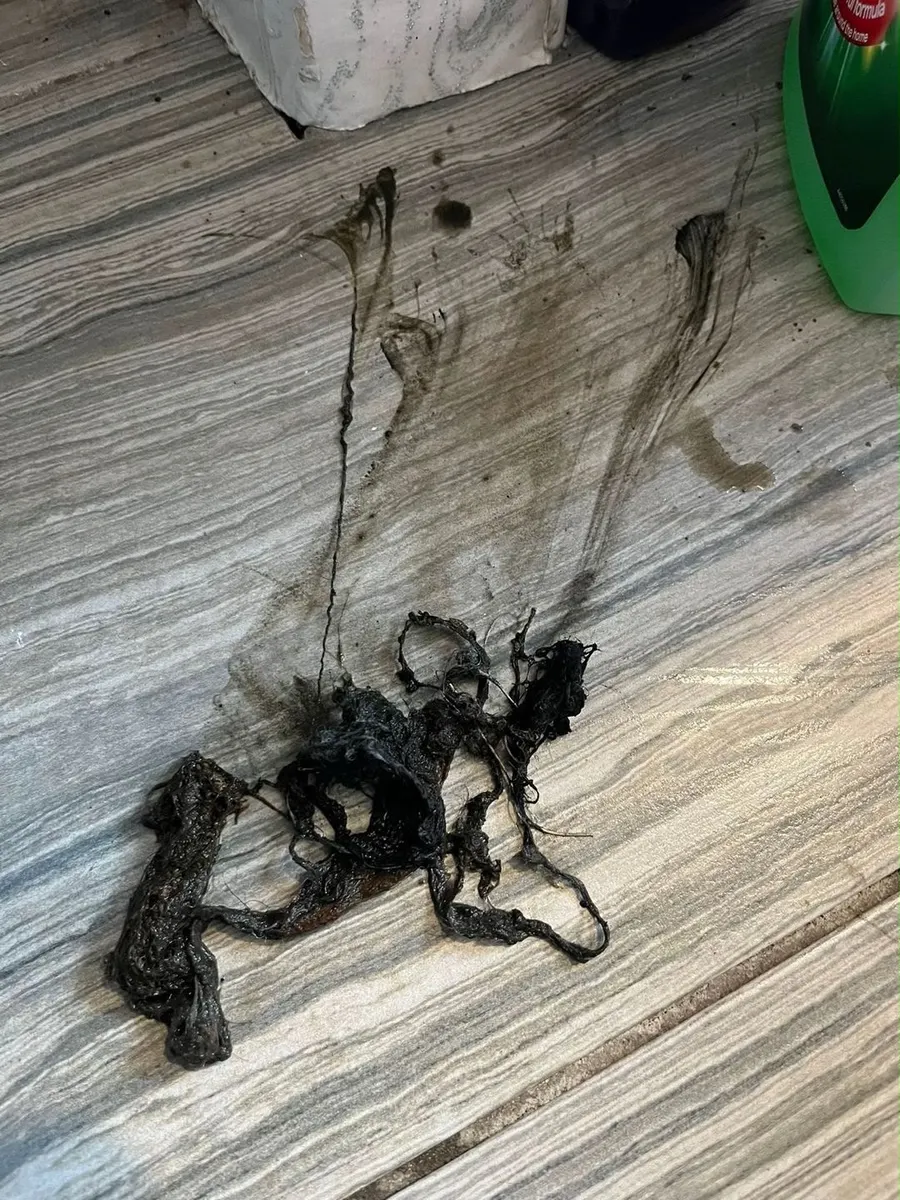
Why wipes block a house drain when paper does not
Toilet paper is designed to fall apart in water. Wipes are not. Scottish Water says many wet wipes contain plastic and do not break down once they reach the sewer network. Its drains and sewers guide says the waste water drain from a house to the public sewer is usually about 4 inches wide, built to take used water from sinks, showers and baths and pee, poo and toilet paper from the toilet, and warns that other things which seem to flush or pour away can cause blocks.
The numbers show how common it is. Scottish Water reported 34,587 sewage blockages in Scotland in the year before its October 2023 update, and puts the figure at about 35,000 a year in its 2026 statement, costing about £10 million, largely due to wipes wrongly flushed. In its 2025 statement it said more than 80% of blockages are caused by the wrong things being flushed or poured down sinks, including wet wipes, sanitary products and fats, oils and grease. Those are public sewer figures, not figures for private drains, but they describe the same habit.
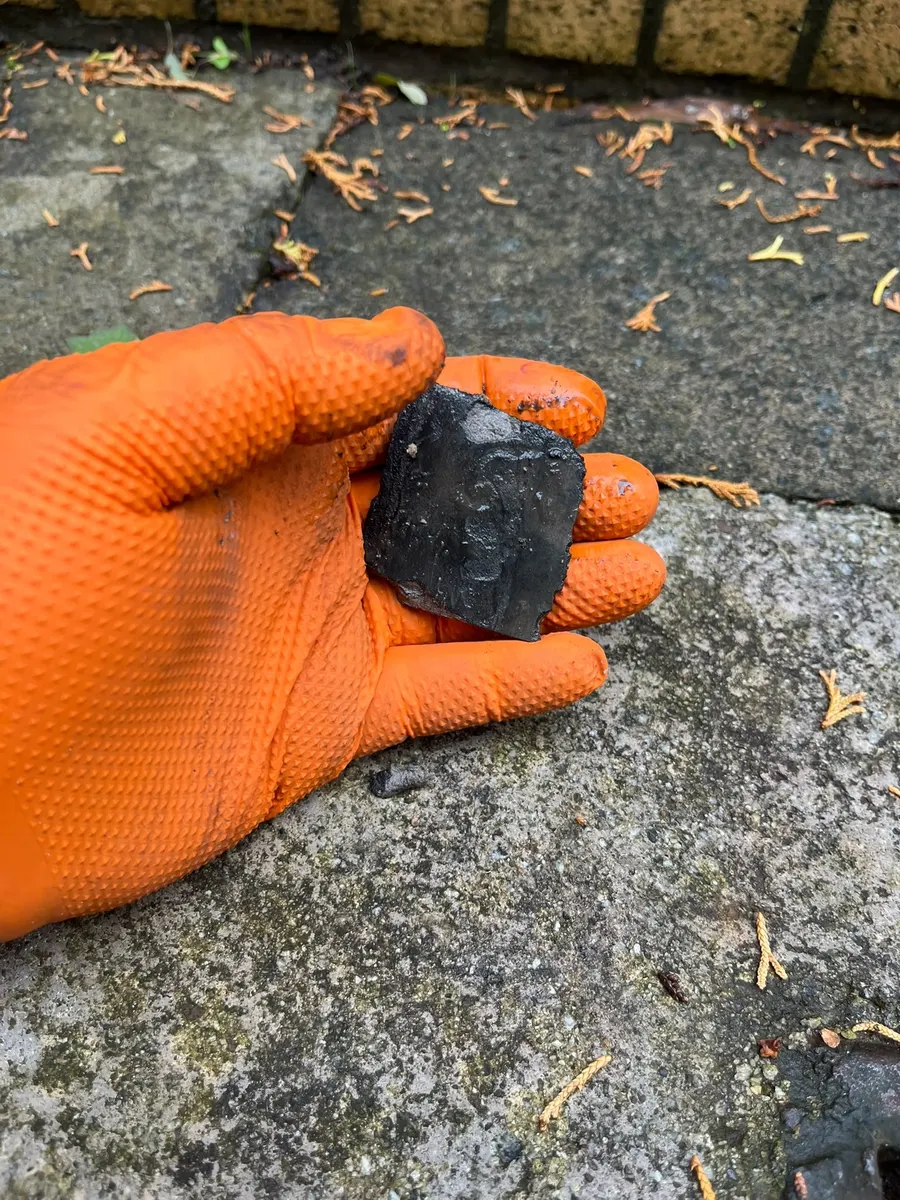
Whose drain is it, and who pays?
Scottish Water says the private drain runs from your home to your property boundary, where it meets the public sewer, and that the homeowner is responsible for it. It says it is responsible for the provision, operation and maintenance of the public sewer network. So wipes stuck in the pipe behind your toilet are your cost, and wipes causing flooding in the street sewer are Scottish Water's to clear.
- You own the home: call a drainage engineer for the private drain. Our guide to whether Scottish Water unblock drains for free shows how to tell which side of the boundary you are on before you pay.
- You rent: tell your landlord first. Who pays can depend on what caused the blockage, so describe what happened honestly. Our guide to landlord or tenant to pay sets out where the line falls.
- It affects several homes or the street: Scottish Water, 0800 0778 778.
Check any home insurance or home emergency cover before you pay. Some policies cover a blocked drain and some do not, and some exclude blockages caused by misuse.
What clearing a wipes blockage costs
Fantastic Services' 2026 drain unblocking guide gives these ranges for the UK outside London and the South East, and says its figures include VAT. They are market ranges from a national firm, not CB Drainage prices.
| Job | Typical range, including VAT | When wipes need it |
|---|---|---|
| Unclogging a toilet | £30 to £75 | Wipes still in the pan or the first bend |
| Drain rodding | £60 to £90 | A soft plug of wipes in the pipe behind the toilet |
| Drain jetting | £70 to £125 | Wipes bound up with fat or scale along the pipe |
| Typical unblock, all in | £80 to £250 | Most private blockages, depending on access |
| Camera survey | £90 to £200 | The same drain keeps blocking |
Ask whether a quote includes VAT. GOV.UK gives the standard rate as 20% and says a business must register once its taxable turnover passes £90,000, so a small firm may not charge VAT at all. A quote of £85 plus VAT is £85 x 1.2 = £102. A quote of £85 with no VAT is £85. A fair comparison needs the total, what it covers (call-out, time on site, disposal) and what happens if the wipes are not where they first seemed. If the same drain blocks again after a clear, a camera survey costs extra but can show whether a rough joint or root is catching the wipes.
Drain, not just the pan?
Ask for the total with VAT
Call Brian or send the details through the quote form, and ask whether the price includes VAT before work starts.
Request a quoteCall 07935 496833Stopping it happening again
The fix is dull and it works. Put a bin in every bathroom: a Scottish Water survey found that 74% of people in Scotland say they never flush wipes, yet 36% of households have no bin in the bathroom. Bin wipes, sanitary products and cotton buds, the items Scottish Water names. Keep fat, oil and grease out of the sink by wiping pans with kitchen paper first.
What to tell whoever you call
A short, exact description gets you the right person first. Say:
- which fittings are affected, and which are working normally;
- that wipes (or sanitary items, or fat) are the likely cause, and roughly how long ago they were flushed;
- what you have already tried, and for how long;
- whether it has happened before at this property;
- whether you own or rent the home, and your postcode.
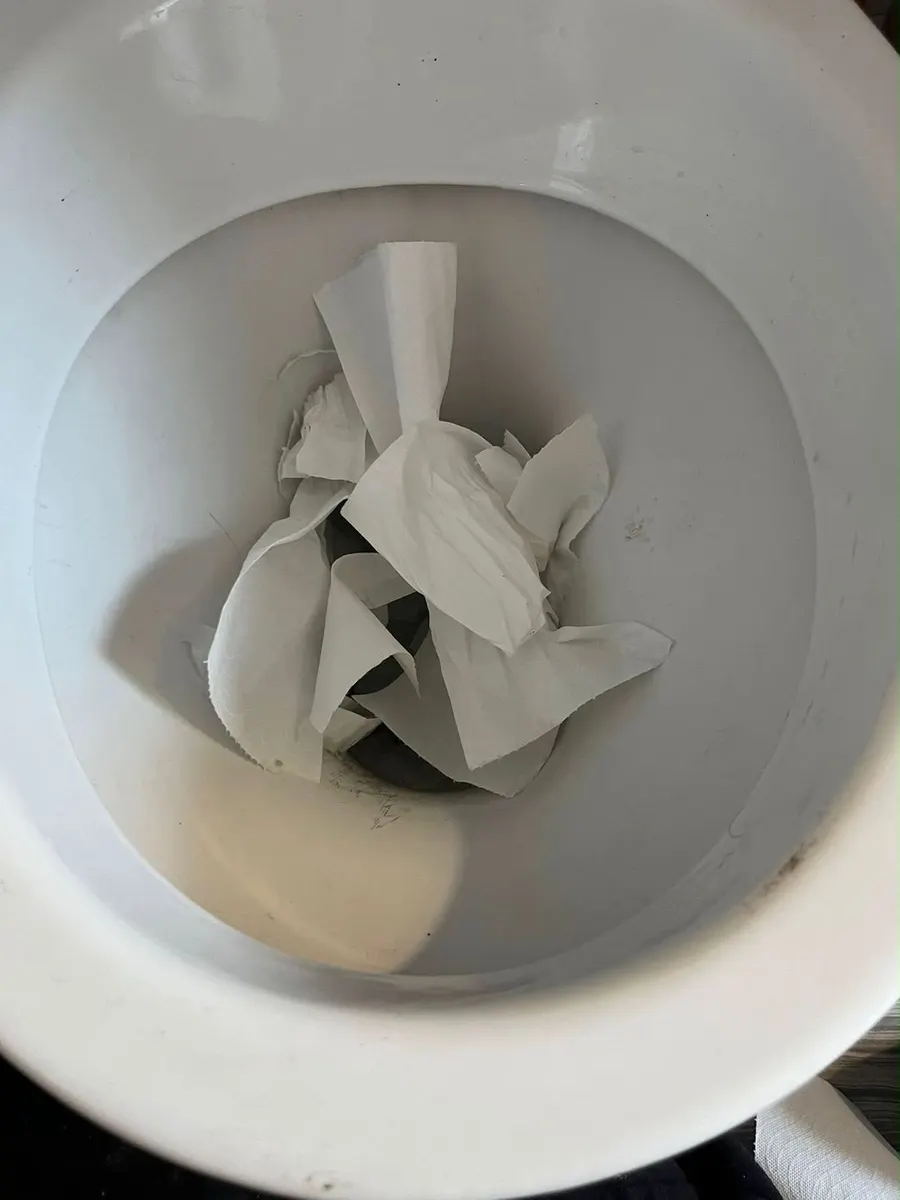
If you are in Alloa, Falkirk, Stirling or nearby and the drain is yours, you can ring Brian on 07935 496833 or send the details and a photo through the quote form on our drain unblocking page.
Keep reading: Blocked drain in the back garden: causes and fixes.
Drain blocked with wet wipes: common questions
Can I flush wet wipes if the packet says flushable?
Scottish Water says no: flush only pee, poo and toilet paper and bin everything else, including wipes. The Water UK Fine to Flush logo, which marked wipes that passed independent tests, was retired in March 2024, so a flushable label has no current industry mark behind it.
How do I unblock a toilet blocked with wipes?
Stop flushing, lift out any wipes you can see with a gloved hand and bag them, plunge once or twice with the cup under water, then test with a bucket of water. If it does not clear, stop and call someone rather than using wire or drain cleaner.
Why will a plunger not clear wipes from a drain?
Wipes tend to knot and can pack tighter when pushed, and if they have lodged further along the pipe than the toilet, a plunger cannot reach them. Rods or a jetter are the usual tools for that.
Who is responsible for a drain blocked with wipes in Scotland?
Scottish Water says the private drain runs from your home to your property boundary and that the homeowner is responsible for it. The public sewer beyond is Scottish Water's. If you rent, tell your landlord first.
What does it cost to clear wipes from a drain?
Fantastic Services' 2026 guide gives UK market ranges including VAT of £60 to £90 for rodding, £70 to £125 for jetting and £80 to £250 for a typical unblock. These are market ranges, not CB Drainage prices. Ask whether any quote includes VAT.
Is the plastic wet wipe ban in Scotland in force yet?
Not yet. Scottish Water says the regulations ban the sale and supply of wet wipes containing plastic in Scotland from 11 August 2027. It still asks everyone to bin all wipes.
Keep reading: Stirling student lets: pre-term drain check.
Sources
- Scottish Water: Your Pipes FAQs, for the private drain to the boundary and the public sewer beyond it. Checked 26 October 2026.
- Scottish Water: A guide to drains and sewers, for the 4 inch house drain and what it is designed to carry. Checked 26 October 2026.
- Scottish Water: Wet wipes ban in Scotland, for the 11 August 2027 ban date, the exemptions and the call for mandatory "do not flush" labelling. Checked 26 October 2026.
- Scottish Water: Call to customers to help keep sewers flowing, for the 80% share of blockages and wipes that do not break down. Checked 26 October 2026.
- Scottish Water: Nature Calls campaign update, for the 34,587 blockages and the bathroom bin survey. Checked 26 October 2026.
- Scottish Water: East Calder wipes plea, for wipes, sanitary products and grease found together in a blockage. Checked 26 October 2026.
- Unblocktober: Why was Fine to Flush phased out? (Water Research Centre interview), for the March 2024 end of the logo scheme. Checked 26 October 2026.
- Northern Ireland Water: Fine to Flush, a Northern Ireland page used only for what the scheme and the industry body labels were when the logo launched. Checked 26 October 2026.
- Fantastic Services: How much does it cost to unblock a drain? (2026 UK price guide), for the market ranges, including VAT. Checked 26 October 2026.
- GOV.UK: VAT rates and GOV.UK: Register for VAT, for the 20% rate and the £90,000 threshold. Checked 26 October 2026.